 Save
Save My kitchen smelled like the Scottish coast one rainy Tuesday when I first poached haddock in milk. The gentle simmer, the way the flesh turned opaque and tender, the smoky aroma curling up from the pan—it all felt like something my grandmother might have done on a weeknight without fuss. I stirred rice into that same milk later, and suddenly understood why some dishes don't need to shout. This risotto hums quietly, filling the room with warmth and the kind of comfort that makes you forget the weather outside.
I made this for a friend who said she didn't like fish, and she scraped her bowl clean without a word. Halfway through her second helping, she looked up and said it tasted like the sea in the best possible way. That's when I realized this dish has a quiet magic: it turns skeptics into believers, not by being bold, but by being exactly what it is—creamy, gentle, and honest.
Ingredients
- Smoked haddock fillets: Go for undyed fillets if you can find them, the natural pale gold color means no artificial coloring and a cleaner, more delicate smoke flavor.
- Whole milk: This becomes the poaching liquid and part of your risotto base, lending a silky richness that stock alone can't give.
- Fish or vegetable stock: Keep it hot in a separate pan so the rice cooks evenly without shocking it with cold liquid.
- Arborio or Carnaroli rice: Arborio is easier to find, but Carnaroli holds its shape a little better and gives you more forgiveness if you stir a bit less.
- Onion, garlic, and leek: The leek adds a whisper of sweetness that plays beautifully with the smokiness, while the garlic keeps things grounded.
- Butter and olive oil: Start with both for a balance of richness and a higher smoke point, then finish with extra butter if you want that glossy, restaurant-style sheen.
- Parmesan cheese: Freshly grated is non-negotiable here, the pre-grated stuff won't melt into the rice the same way.
- Flat-leaf parsley and lemon zest: These brighten the whole dish at the end, cutting through the creaminess with a fresh, herbal lift.
- Black pepper and sea salt: Taste before you salt, the haddock and Parmesan bring their own salt to the table.
Tired of Takeout? 🥡
Get 10 meals you can make faster than delivery arrives. Seriously.
One email. No spam. Unsubscribe anytime.
Instructions
- Poach the Haddock:
- Slide the fillets into a pan with the milk and let it come to a bare simmer, just a few lazy bubbles breaking the surface. After 5 to 7 minutes, the fish will flake easily and smell like a seaside morning.
- Soften the Aromatics:
- Warm the oil and butter together until the butter foams, then add the onion, leek, and garlic, stirring until they soften and turn translucent without taking on any color. This is your flavor foundation, so take your time and let them sweat gently.
- Toast the Rice:
- Tip in the rice and stir it around for a minute or two until the edges go see-through and it smells faintly nutty. This step coats every grain in fat and helps them hold their shape as they cook.
- Add the Poaching Milk:
- Pour in the reserved milk and stir until it's mostly absorbed, watching as the rice starts to plump and release its starch.
- Ladle in the Stock:
- Add the hot stock one ladle at a time, stirring often and waiting until each addition is absorbed before adding the next. It takes about 20 minutes, and the rhythm of stirring becomes almost meditative.
- Fold in the Fish and Finish:
- When the rice is creamy and just tender with a slight bite, gently fold in the flaked haddock, Parmesan, lemon zest, and parsley. Season with pepper and a cautious pinch of salt, then stir in a final knob of butter if you want extra richness.
- Rest Before Serving:
- Take the pan off the heat, cover it, and let it sit for 2 minutes. This lets the flavors settle and the rice finish cooking in its own steam.
 Save
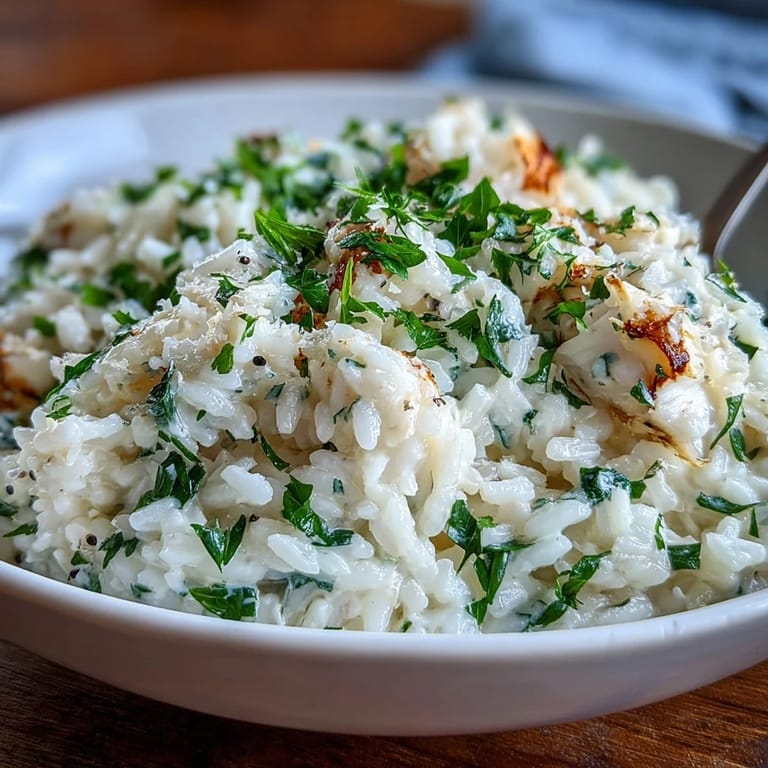
Save The first time I served this, I plated it in wide, shallow bowls and watched my partner take a bite in silence. He closed his eyes, chewed slowly, and then said it reminded him of a pub lunch in Edinburgh he'd had years ago. I hadn't been aiming for that, but somehow the dish knew what it was supposed to be—a little bit of the coast, a little bit of home, all in one bowl.
How to Know When It's Done
The rice should be creamy and loose, not stiff or dry, and each grain should have a tender bite in the center without any chalky crunch. If you tilt the pan, the risotto should flow slowly across the surface like lava, not sit in a heap. I learned this the hard way after making a batch so thick it could have been used as mortar, now I always add an extra splash of stock at the end if it looks too tight.
What to Serve Alongside
This risotto is rich enough to stand on its own, but a simple green salad dressed with lemon and olive oil cuts through the creaminess beautifully. I sometimes serve it with steamed asparagus or tenderstem broccoli on the side, especially in spring when everything feels lighter. A glass of chilled Sauvignon Blanc or a crisp, dry Riesling mirrors the lemon and complements the smoke without overpowering the fish.
Storage and Reheating
Risotto is always best fresh, but leftovers will keep in the fridge for up to two days in an airtight container. Reheat gently in a pan with a splash of stock or milk, stirring constantly over low heat until it loosens and warms through. Don't microwave it unless you're prepared for rubbery rice and sad, dried-out fish.
- If it thickens too much in the fridge, add liquid slowly until it looks creamy again.
- You can also fold cold risotto into beaten eggs and fry it into crispy cakes for breakfast.
- Freeze individual portions in freezer bags if you want to keep it longer, though the texture won't be quite as silky when thawed.
 Save
Save This is the kind of dish that makes you slow down and notice the small things, the way the rice glistens, the faint perfume of lemon, the comfort of something warm in your hands. Make it once, and it'll become part of your repertoire without you even trying.
Questions & Answers
- → Can I use fresh haddock instead of smoked?
Yes, but you'll lose the distinctive smoky flavor. Consider adding a pinch of smoked paprika or using smoked salt to compensate for the missing smokiness.
- → What can I substitute for Arborio rice?
Carnaroli rice works beautifully and is actually preferred by many Italian chefs. In a pinch, you can use short-grain sushi rice, though the texture will differ slightly.
- → How do I know when the risotto is done?
The rice should be creamy and flow slowly when stirred, with individual grains tender but still slightly firm to the bite (al dente). It typically takes 18-22 minutes of adding stock gradually.
- → Can I make this ahead of time?
Risotto is best served immediately, but you can prepare it to 75% completion, spread on a tray to cool, then finish cooking when ready to serve by adding remaining stock and warming through.
- → Why reserve the poaching milk?
The milk absorbs delicate smoky flavors from the haddock during poaching, adding depth to the risotto. This technique infuses the entire dish with subtle fish essence without overpowering it.
- → What wine pairs best with this dish?
A crisp Sauvignon Blanc or dry Riesling complements the creamy texture and smoky fish perfectly. Alternatively, try a light Pinot Grigio or unoaked Chardonnay.