 Save
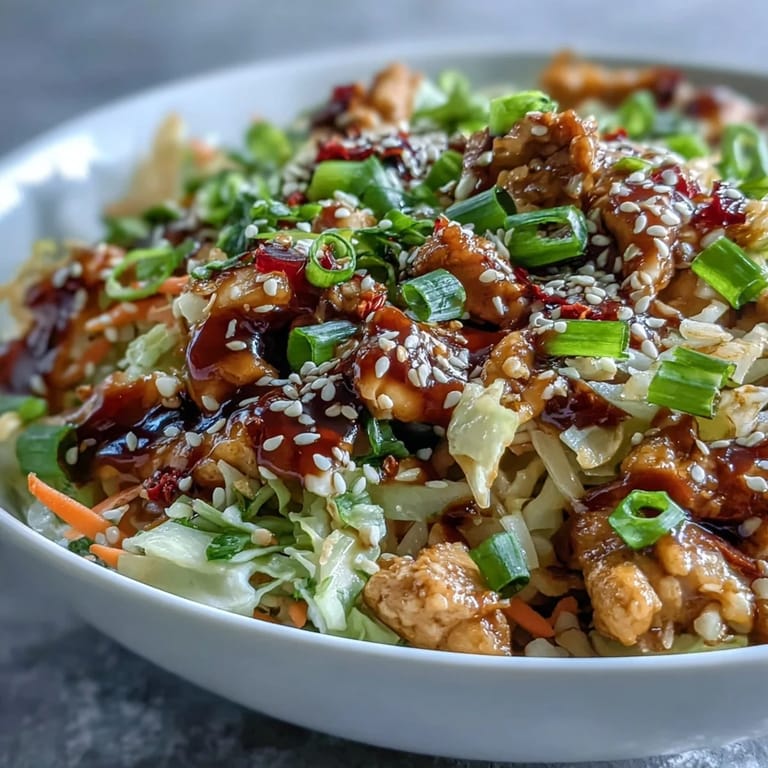
Save A Tuesday night after work, I stood in front of my fridge staring at half a cabbage and some leftover chicken, too tired to think. I wanted takeout egg rolls but couldn't justify the wait or the grease. What came together in that skillet surprised me: all the flavor, none of the fuss, and I actually felt good after eating it. Now it's my default when I need something fast that doesn't taste like I gave up.
The first time I made this for friends, I called it deconstructed egg rolls and they laughed at me. But after the first bite, the teasing stopped and the bowls emptied fast. One friend asked if I'd catered it, which made me laugh because I'd thrown it together in under half an hour while we caught up over wine. It became our weeknight dinner party trick, the kind of meal that looks like effort but feels like none.
Ingredients
- Boneless, skinless chicken breasts: Slice them thin so they cook fast and soak up all that gingery, garlicky goodness without drying out.
- Neutral oil: Vegetable or canola works perfectly here because you want the aromatics and sauce to shine, not compete with a strong oil flavor.
- Yellow onion: It sweetens as it cooks and creates a savory base that feels like the soul of the dish.
- Garlic and ginger: Fresh is non-negotiable; jarred versions just don't deliver that bright, punchy fragrance that fills your kitchen.
- Green cabbage: Shred it yourself for the best texture, it wilts just enough but keeps a satisfying crunch that makes every bite interesting.
- Carrots: They add natural sweetness and a pop of color that makes the bowl look as good as it tastes.
- Low-sodium soy sauce: Lets you control the saltiness, because once it's too salty, there's no going back.
- Rice vinegar: This is the secret tang that makes the whole thing taste bright and balanced instead of heavy.
- Toasted sesame oil: Just a teaspoon transforms the dish, adding nutty depth that whispers rather than shouts.
- Sugar or honey: A tiny bit rounds out the sauce and tames any harsh edges from the vinegar and soy.
- Green onions: Slice them on the diagonal because it looks pretty and releases more flavor.
- Sesame seeds and chili crisp: Optional, but they turn a simple dinner into something that feels special and a little indulgent.
Tired of Takeout? 🥡
Get 10 meals you can make faster than delivery arrives. Seriously.
One email. No spam. Unsubscribe anytime.
Instructions
- Prep everything first:
- Slice, mince, shred, and chop all your ingredients before you even turn on the stove. Once the pan heats up, things move fast and you don't want to be scrambling for a grater while your garlic burns.
- Heat the oil until it shimmers:
- Medium-high heat is your friend here; the oil should shimmer and ripple slightly, which means it's hot enough to sear without being so hot it smokes.
- Cook the onion until soft:
- Give it about two minutes, stirring now and then, until it turns translucent and smells sweet. This builds the flavor foundation for everything that follows.
- Add garlic and ginger:
- Stir them in and cook for just 30 seconds, watching closely. They should smell incredible and fragrant, but pull them off the heat before they brown or turn bitter.
- Cook the chicken through:
- Season lightly with salt and pepper, then let it cook for 5 to 7 minutes, stirring occasionally, until no pink remains. Don't crowd the pan or it will steam instead of browning.
- Push chicken aside, add vegetables:
- This little trick keeps the veggies from getting lost in the chicken juices. Let them cook on their own side of the pan for 3 to 4 minutes, tossing occasionally, so they soften but stay crisp.
- Mix everything together:
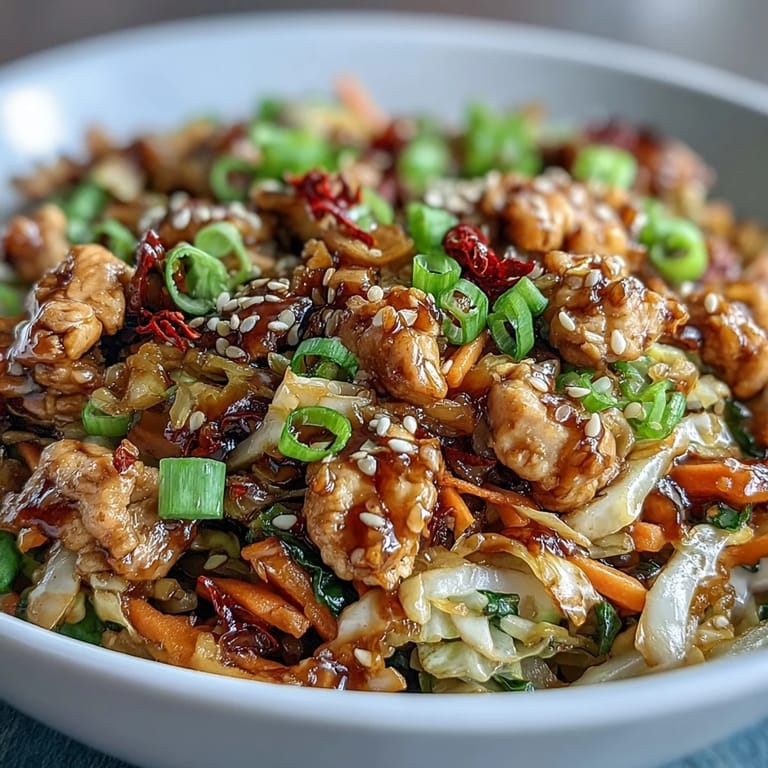
- Now bring the chicken and vegetables together in the pan, stirring until evenly combined. It should look colorful and smell amazing.
- Add the sauce:
- Pour in the soy sauce, rice vinegar, sesame oil, and sugar or honey, then toss everything to coat. Cook for 1 to 2 minutes until the sauce clings to every piece and the whole pan smells like your favorite takeout spot.
- Taste and adjust:
- This is your moment to make it yours. Add more soy for saltiness, a pinch of pepper for heat, or a splash of vinegar for extra brightness.
- Divide and garnish:
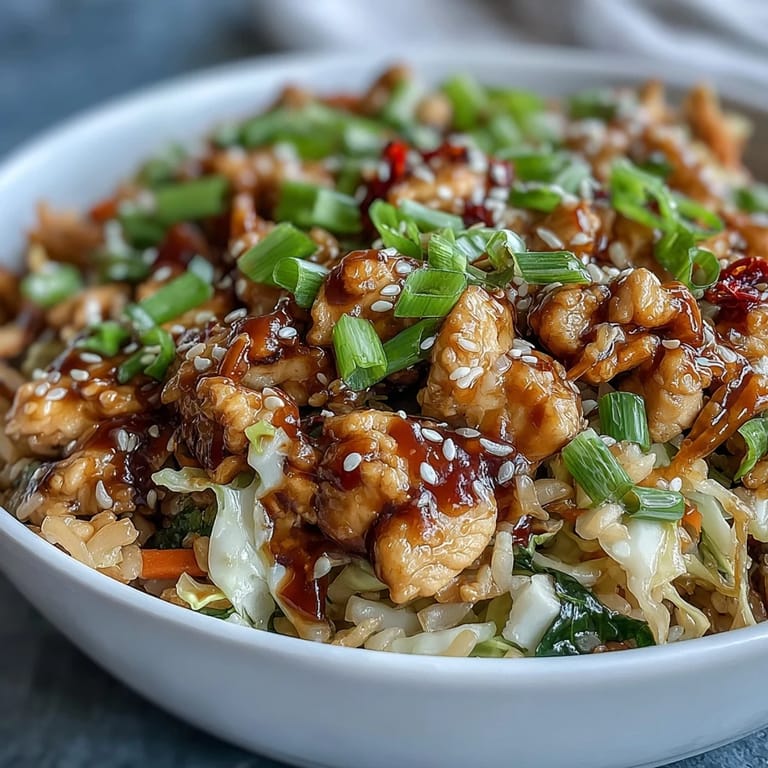
- Spoon the mixture into bowls, then top with green onions, sesame seeds, and a drizzle of chili crisp if you like a little heat. Serve it hot and watch it disappear.
 Save
Save One night my sister came over feeling defeated after a long day, and I made her this bowl without asking. She sat at my kitchen counter, quiet at first, then halfway through she looked up and said it tasted like a hug. I've never forgotten that, because sometimes food isn't just fuel, it's comfort in a form that doesn't require words.
Swaps and Variations
I've made this with ground pork when I wanted something richer, crumbled tofu when I needed it vegetarian, and even rotisserie chicken when I was too tired to cook protein from scratch. Each version works beautifully because the sauce and vegetables do most of the heavy lifting. You can also toss in snap peas, bell peppers, or mushrooms if you have them hanging around; the dish is forgiving and adapts to whatever your fridge offers.
Serving Suggestions
I love eating this straight from the bowl, but it's even better spooned over steamed jasmine rice or cauliflower rice if you're keeping it low-carb. Sometimes I'll fry an egg and set it on top, letting the yolk run into the vegetables like a creamy bonus sauce. It also makes fantastic meal prep; I portion it into containers on Sunday and reheat it all week, and somehow it never gets boring.
Storage and Reheating
Leftovers keep in an airtight container in the fridge for up to three days, and I actually prefer them the next day when the flavors have had time to meld. Reheat gently in a skillet with a splash of water or broth to loosen things up, or microwave in short bursts, stirring in between. The cabbage softens a bit more as it sits, but it still tastes bright and satisfying.
- Add a fresh squeeze of lime juice when reheating to wake up the flavors.
- If it seems dry, a drizzle of sesame oil or soy sauce brings it back to life.
- Don't freeze this one; the cabbage gets too limp and watery when thawed.
 Save
Save This bowl has pulled me out of more dinner slumps than I can count, and I hope it does the same for you. It's proof that the best meals don't always come from complicated recipes, sometimes they come from listening to what you need and letting a hot skillet work its magic.
Questions & Answers
- → Can I make this ahead of time?
The mixture stores beautifully in airtight containers for up to three days. Reheat gently in a skillet or microwave, adding a splash of water if needed to refresh the sauce. The vegetables will soften slightly but still maintain good texture.
- → What protein substitutions work well?
Ground pork or turkey browns beautifully and absorbs the glaze nicely. Firm tofu cubes create a plant-based version—press and pan-fry separately first for better texture. Leftover rotisserie chicken shreds easily and reduces prep time even further.
- → How do I prevent the cabbage from getting soggy?
Keep heat at medium-high and cook vegetables just 3-4 minutes so they stay crisp-tender. Avoid overcrowding the pan, which causes steaming instead of stir-frying. If making ahead, store vegetables separately and combine just before serving.
- → Can I add more vegetables?
Snap peas, bell pepper strips, bean sprouts, or sliced mushrooms all work wonderfully. Add quick-cooking vegetables like sprouts during the final minute. Heartier vegetables like peppers should go in with the cabbage for proper cooking time.
- → Is this gluten-free?
Use gluten-free tamari or coconut aminos in place of regular soy sauce. Check all condiment labels carefully, especially the chili crisp if using, as some brands contain wheat-based ingredients in their sauce base.
- → What sides pair well with these bowls?
Steamed jasmine rice creates a classic base, while cauliflower rice keeps it low-carb. Try alongside chilled cucumber salad or pickled vegetables for contrast. Warm egg drop soup makes a nice starter for a fuller Asian-inspired meal.