 Save
Save My youngest asked if we could make pizza on a Tuesday night, and I had no dough rising on the counter. I grabbed cottage cheese from the fridge, combined it with flour and an egg, and ten minutes later we had bubbling, golden flatbreads sizzling in the skillet. The kitchen smelled like warm bread and garlic, and those tender rounds became our new favorite shortcut. Now I keep cottage cheese stocked just for evenings like that.
I brought a stack of these to a potluck once, still warm and wrapped in a tea towel. People tore into them with hummus and roasted vegetables, asking if I'd spent the morning baking. I just smiled and said it took less time than boiling pasta. One friend texted me the next day for the recipe, and now she makes them every Sunday for her kids' lunches.
Ingredients
- All-purpose flour: The foundation that gives structure, and a little extra for dusting keeps the dough from sticking when you roll it out.
- Baking powder: This is what makes the flatbreads puff and bubble in the pan, creating those lovely air pockets inside.
- Fine salt: Just enough to wake up the flavors without competing with the garlic or herbs you might add.
- Garlic powder: Optional, but it adds a gentle savory note that makes the whole kitchen smell inviting.
- Full-fat cottage cheese: Drain it well so the dough doesn't turn sticky, and the curds blend in to create a tender, slightly tangy crumb.
- Large egg: Binds everything together and adds richness, helping the flatbreads stay soft even after they cool.
- Olive oil: A tablespoon in the dough and a brush in the skillet keeps things moist and gives a hint of golden color.
- Fresh chopped herbs: Parsley or chives fold in little bursts of brightness, though you can skip them if your cupboard is bare.
- Water: Add just a teaspoon or two if the dough feels crumbly, bringing it to a soft, workable consistency without making it wet.
Tired of Takeout? 🥡
Get 10 meals you can make faster than delivery arrives. Seriously.
One email. No spam. Unsubscribe anytime.
Instructions
- Whisk the Dry Mix:
- Combine flour, baking powder, salt, and garlic powder in a medium bowl until every speck is evenly distributed. This ensures each flatbread tastes balanced and rises uniformly.
- Blend the Wet Ingredients:
- Mash the drained cottage cheese with the egg, olive oil, and herbs using a fork until the curds break down and the mixture looks almost smooth. It doesn't have to be perfect, just cohesive enough to blend easily into the flour.
- Combine and Adjust:
- Pour the wet mixture into the dry ingredients and stir gently with a spatula until a shaggy dough forms. If it feels too dry or won't come together, drizzle in water one teaspoon at a time until it holds its shape.
- Gentle Kneading:
- Turn the dough onto a lightly floured surface and fold it over itself six to eight times, just enough to bring it into a smooth ball. Over-kneading will make the flatbreads tough, so stop as soon as it feels cohesive.
- Rest the Dough:
- Cover the ball with a clean kitchen towel or plastic wrap and let it rest for ten minutes at room temperature. This short pause relaxes the gluten and makes rolling much easier.
- Divide and Shape:
- Cut the dough into four equal portions and roll each into a smooth ball. Flatten each ball with a rolling pin or your hands into a round about a quarter inch thick, dusting lightly with flour if it sticks.
- Heat the Skillet:
- Warm a large nonstick or cast-iron skillet over medium heat and brush it lightly with olive oil. The pan should be hot enough that a drop of water sizzles but doesn't smoke.
- Cook the First Side:
- Place one rolled flatbread in the hot skillet and cook for two to three minutes until bubbles form and the underside turns golden brown. Watch the heat and adjust if it's browning too fast or too slow.
- Flip and Finish:
- Turn the flatbread over and cook for another one to two minutes until golden and cooked through. Transfer to a plate and cover with a clean towel to keep it warm and soft.
- Repeat and Serve:
- Continue with the remaining dough, adding a bit more oil to the skillet as needed. Serve the flatbreads warm as wraps, with dips, or topped with sauce and cheese for a quick pizza.
 Save
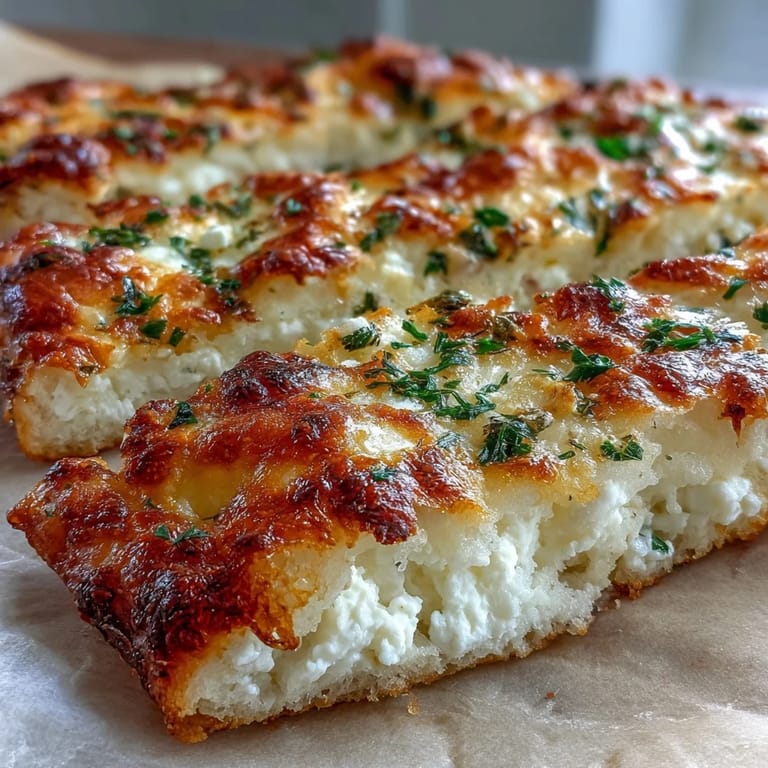
Save One rainy Saturday, my daughter and I rolled out flatbreads side by side, hers a little lumpy and mine almost perfect. We piled them with leftover roasted vegetables and crumbled feta, and she declared it better than takeout. I realized then that the best meals aren't always the most polished, they're the ones made together with flour on your hands and laughter in the kitchen.
Making It Your Own
I've folded finely chopped spinach into the dough for a flecked green look, and once I stirred in sun-dried tomatoes for a Mediterranean twist. You can swap the herbs for dried oregano or basil if that's what you have, or skip them entirely and brush the cooked flatbreads with garlic butter. Each variation brings a different mood to the table, and the base recipe is forgiving enough to handle almost anything you toss in.
Storage and Reheating
I stack cooled flatbreads with parchment between each one and slide them into an airtight container in the fridge for up to three days. They also freeze beautifully for a month, just thaw at room temperature and reheat in a skillet or microwave with a damp paper towel draped over them. That little bit of steam brings back the softness, and they taste almost fresh from the pan.
Serving Suggestions
These flatbreads are workhorses in my kitchen, holding scrambled eggs and avocado for breakfast, wrapping grilled chicken and tzatziki for lunch, or serving as a base for five-minute pizzas topped with marinara and mozzarella. I've even torn them into wedges and served them warm alongside soup, where they soak up broth like the best kind of edible spoon.
- Brush with garlic butter and sprinkle with sea salt right after cooking for an instant garlic bread.
- Use as a pizza base by adding sauce, cheese, and toppings, then baking at 425 degrees Fahrenheit for eight to ten minutes.
- Serve alongside hummus, baba ganoush, or any dip that needs a soft, sturdy scoop.
 Save
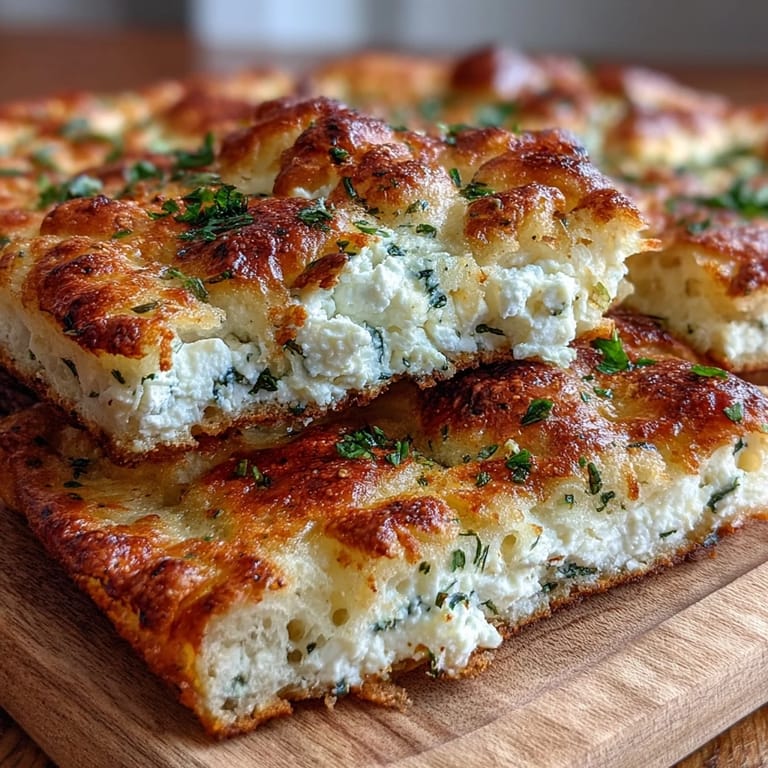
Save These flatbreads have become my answer to busy nights and spontaneous cravings, proof that you don't need hours or fancy ingredients to make something warm and satisfying. Keep cottage cheese on hand, and you'll always be twenty minutes away from homemade bread.
Questions & Answers
- → Can I make these flatbreads gluten-free?
Yes, substitute all-purpose flour with a 1:1 gluten-free flour blend and add 1 tablespoon ground flaxseed to help bind the dough and improve texture.
- → How do I store leftover flatbread?
Keep in an airtight container in the refrigerator for up to 3 days, or freeze for up to 1 month. Reheat in a skillet or microwave with a damp paper towel to restore softness.
- → Why is my dough too dry or crumbly?
Add water 1 teaspoon at a time until the dough forms a soft, slightly sticky ball. The moisture content can vary depending on how well your cottage cheese was drained.
- → Can I use dried herbs instead of fresh?
Yes, use 1 teaspoon dried herbs instead of fresh. Reduce to ½ teaspoon for stronger dried herbs like rosemary or oregano.
- → What can I serve with cottage cheese flatbread?
Pair with hummus, tzatziki, or baba ganoush for dipping. Use for wraps with grilled vegetables, or top with tomato sauce and mozzarella for quick personal pizzas.
- → Do I need to rest the dough?
The 10-minute rest allows flour to hydrate fully, making the dough easier to roll and preventing shrinkage while cooking for tender, fluffy results.