 Save
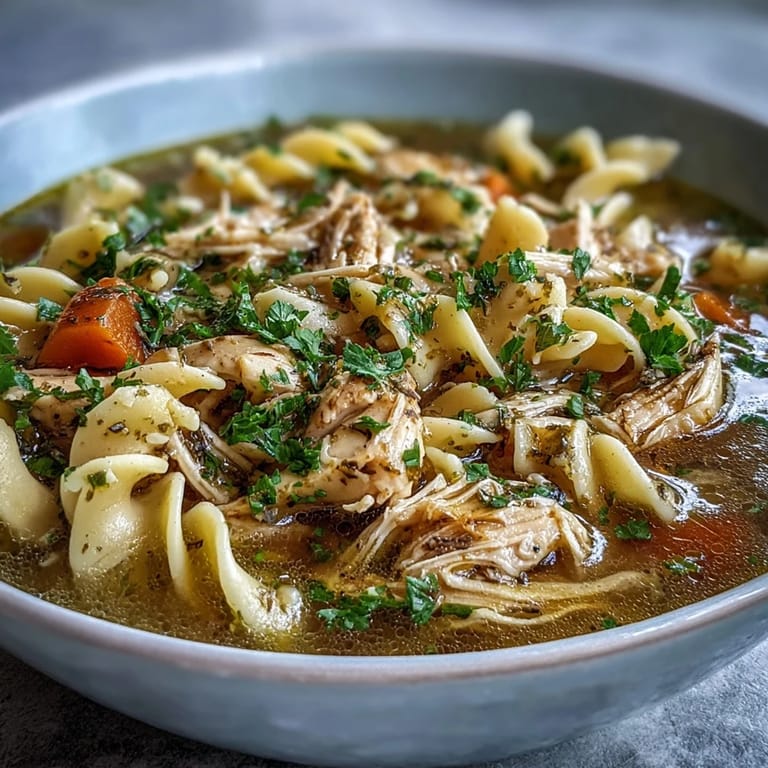
Save The weatherman promised a snowy day, and he delivered. I had canceled my plans, curled up with a book, but couldn't shake the chill in my bones. Fumbling through the kitchen, I spotted my Instant Pot and thought about my grandmother's chicken soup – but with a modern twist. The pressure cooker transformed what would've been hours of simmering into a quick afternoon project, and that first steaming spoonful reminded me why this comfort food has endured through generations.
Last winter when my sister caught that awful flu, I packed this soup in a thermos and drove it to her apartment. She texted me later saying it was the first thing she could actually taste in days. The steam had cleared her sinuses, and she swore the broth alone had healing properties. Sometimes food becomes medicine in the most literal sense.
Ingredients
- Boneless chicken: I prefer thighs for their richer flavor, but breasts work beautifully if youre watching fat intake.
- Mirepoix trio: The onion, carrot, and celery create the foundation of flavor, so dont rush the initial sauté.
- Egg noodles: Their distinctive texture soaks up the broth without becoming mushy, though I once made this with leftover fettuccine in a pinch.
- Low-sodium broth: Using this gives you complete control over the saltiness, a lesson I learned after once making an inedibly salty batch.
- Dried herbs: They infuse throughout pressure cooking, but fresh herbs can burn or lose their brightness.
Tired of Takeout? 🥡
Get 10 meals you can make faster than delivery arrives. Seriously.
One email. No spam. Unsubscribe anytime.
Instructions
- Start with a proper sauté:
- Hit that Sauté button and give your vegetables a proper sweat in olive oil until they start to soften. This develops a caramelization that creates depth you cant get from just boiling.
- Layer ingredients strategically:
- Place the chicken pieces on top of the sautéed vegetables, then pour in your broth and seasonings. This arrangement helps everything cook evenly under pressure.
- Be patient with pressure:
- After the 10-minute cook time, let the Instant Pot naturally release for those 5 full minutes. The chicken continues cooking gently during this time, reaching perfect tenderness.
- Shred with care:
- Remove the chicken to a plate rather than trying to shred it in the hot liquid. Two forks make quick work of pulling it into perfect bite-sized pieces.
- Add noodles last:
- Return to Sauté mode to cook the noodles after pressure cooking. They maintain their texture this way instead of becoming overcooked mush.
 Save
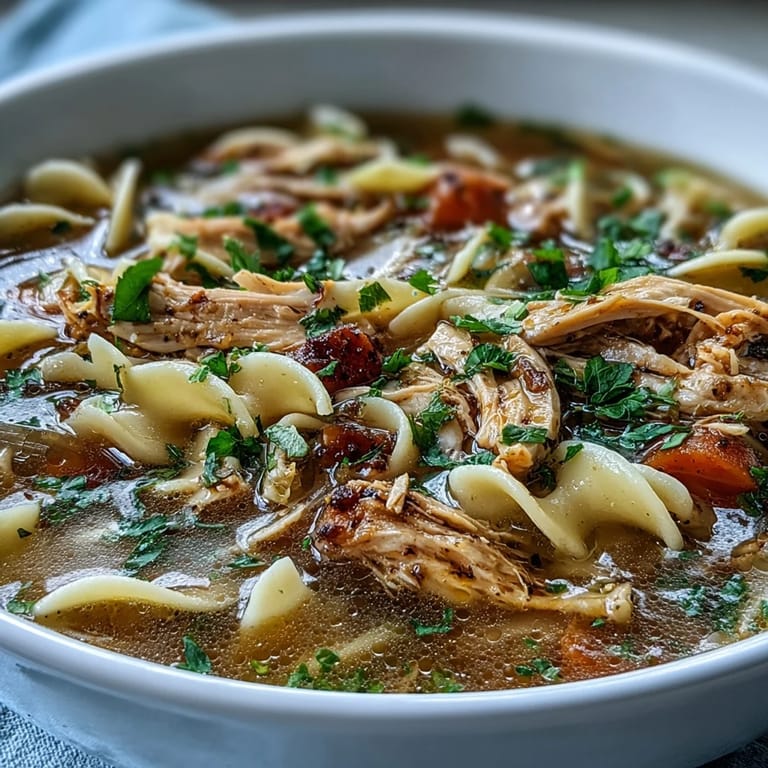
Save During last years holiday chaos, when everyone was arriving at different times, this soup became my secret weapon. It sat warming in the Instant Pot while family trickled in from airports and long drives. My nephew, who normally refuses to eat anything that isnt beige or covered in cheese, had three bowls and asked if I could teach his mom how to make it. That night, the soup became more than dinner – it was the thing that brought us all to the table together.
Make-Ahead Options
If youre planning to meal prep this soup, consider storing the noodles separately from the broth and vegetables. After cooking several batches back-to-back for a sick friend, I discovered that noodles left in the soup overnight will continue absorbing liquid, leaving you with something closer to a stew than a soup by morning. A quick reheat with fresh noodles takes only minutes and maintains that perfect texture.
Customizing Your Soup
My mother-in-law adds a parmesan rind to her version, which creates an incredible umami foundation I now incorporate whenever I have one in the fridge. Some friends swear by adding a splash of white wine before pressure cooking, while others add frozen peas right at the end for a pop of color and sweetness. The beauty of this recipe is its flexibility – Ive never made it exactly the same way twice.
Troubleshooting Common Issues
If your soup lacks depth, its likely because the vegetables didnt get enough time to sauté properly at the beginning. That initial caramelization creates compounds that transform a thin broth into something complex and satisfying.
- For a clearer broth, avoid vigorously stirring the soup after pressure cooking, which can break down the vegetables and cloud the liquid.
- If your soup tastes flat despite following the recipe, try adding a teaspoon of apple cider vinegar to brighten all the flavors without making it taste sour.
- Never skip removing the bay leaf before serving – its not dangerous to eat, but the sharp edges can be unpleasant and startle someone mid-spoonful.
 Save
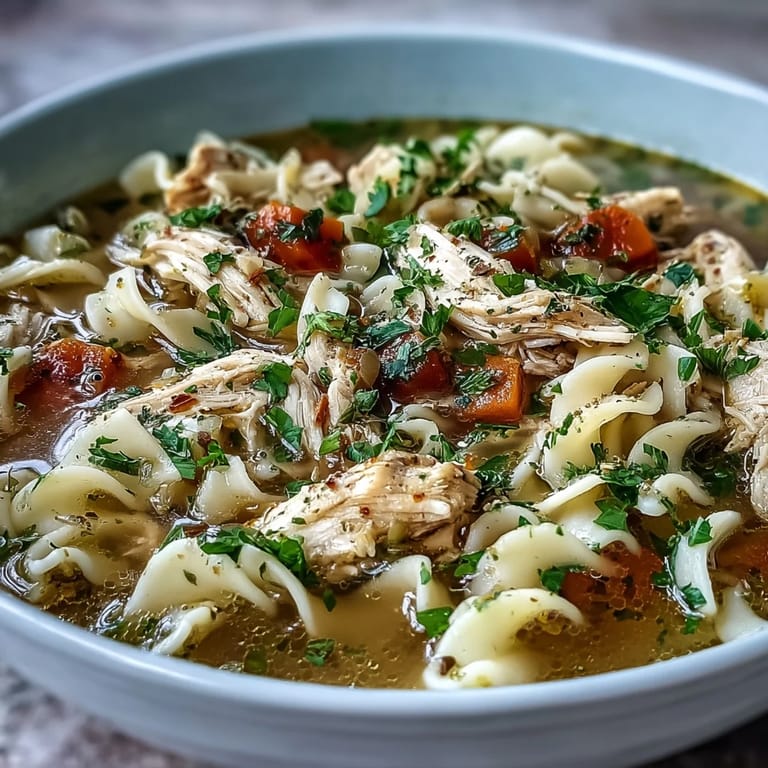
Save This soup has become my signature dish, the one friends request when they need comfort or celebration. Its not just about the ingredients, but about the care that goes into each step and the love that radiates from each steaming bowl.
Questions & Answers
- → Can I use rotisserie chicken instead of raw chicken?
Yes, using rotisserie chicken works beautifully and cuts down cooking time. Add the shredded chicken during the last 5 minutes when simmering the noodles, just long enough to heat through.
- → How do I store leftovers?
Store cooled soup in an airtight container in the refrigerator for up to 4 days. The noodles may absorb some broth, so you may need to add extra liquid when reheating. Freezing is not recommended as the noodles can become mushy.
- → Can I make this gluten-free?
Absolutely. Simply substitute the egg noodles with your favorite gluten-free pasta variety. Brown rice pasta, quinoa pasta, or gluten-free egg noodles all work well in this preparation.
- → Why do you sauté the vegetables first?
Sautéing the onions, carrots, and celery before pressure cooking builds a deeper flavor base. This step caramelizes the vegetables slightly and releases their aromatic oils, resulting in a more richly flavored broth.
- → Can I add other vegetables?
Certainly. Diced potatoes, green beans, peas, or spinach make excellent additions. Add heartier vegetables like potatoes with the initial sauté, and delicate vegetables like spinach during the last few minutes of cooking.
- → What's the purpose of the natural pressure release?
The 5-minute natural pressure release allows the chicken to rest in the hot broth, keeping it moist and tender. Rapid release can cause the proteins to tighten, resulting in tougher meat textures.