 Save
Save There's something about the sound of a hot wok that just pulls you into the moment. I discovered this ginger stir-fry on a Tuesday evening when I had a crisper drawer full of vegetables and no real plan, just a hunch that fresh ginger and a little heat would make something worth eating. Twenty-five minutes later, my kitchen smelled like a tiny corner of Southeast Asia, and I realized how a handful of simple ingredients could taste like you'd spent hours perfecting something.
I made this for a friend who swore they didn't like vegetables, and watching their expression shift when they tasted it was worth every slice of carrot. They kept asking what made it taste so different from other stir-fries, and the honest answer was just paying attention to the timing and letting the ginger shine without apology.
Ingredients
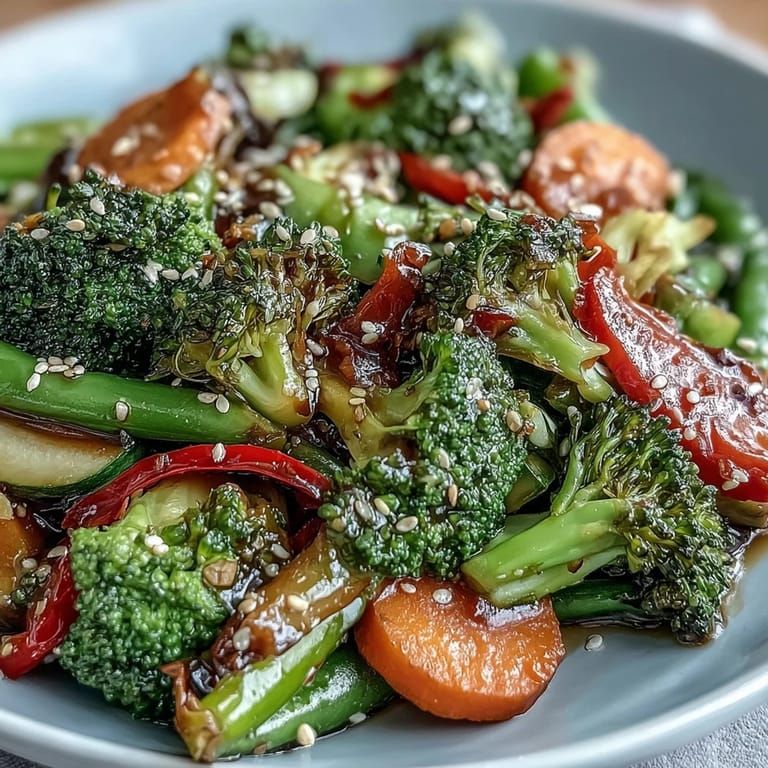
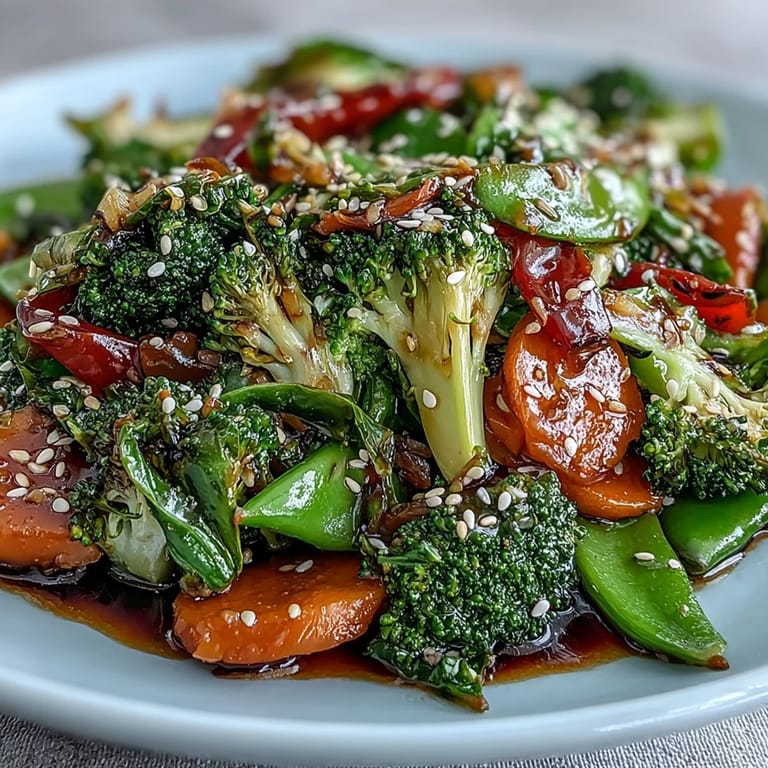
- Broccoli florets: Keep them roughly the same size so everything finishes at the same moment, and don't skip the high heat or they'll steam instead of getting those tiny caramelized edges.
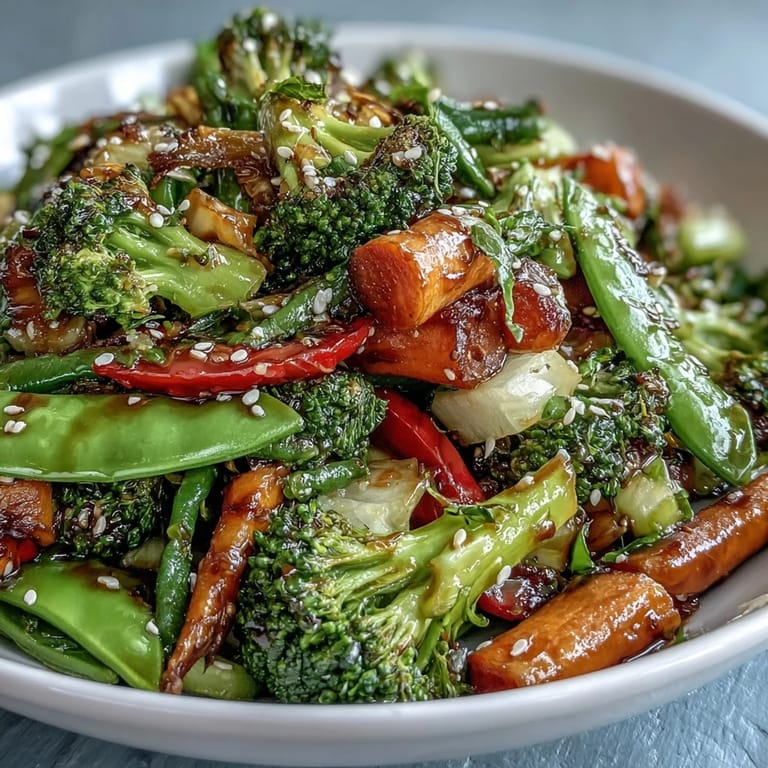
- Sliced carrots: Thin slices are non-negotiable here because they need to soften enough to be tender but stay snappy, not turn into mush.
- Red bell pepper: The sweetness balances the ginger's spice beautifully, and the color makes the whole dish look alive.
- Snap peas: These are your textural heroes, adding a crunch that reminds you why fresh vegetables matter.
- Yellow onion, thinly sliced: Slice them thin so they caramelize and disappear into sweetness rather than stay chunky and harsh.
- Sliced mushrooms: They absorb the sauce and become little flavor carriers, so don't skip them thinking they're optional.
- Fresh ginger, finely grated: This is the soul of the dish, so use the smallest-hole grater you have and grate it right before cooking so the oils stay alive.
- Garlic, minced: Three cloves is my minimum because garlic mellows once it hits hot oil, and I want you to actually taste it.
- Soy sauce: Use tamari if gluten matters to you, and measure it out first because once you're cooking, there's no time to think.
- Sesame oil: Just a tablespoon because this stuff is potent and meant to whisper, not shout.
- Vegetable oil: This is your workhorse, getting the wok hot enough to do its job while sesame oil adds flavor.
- Rice vinegar: It adds a gentle tang that keeps everything from tasting one-dimensional, almost like a secret ingredient nobody notices.
- Maple syrup or honey: A touch of sweetness rounds out the salty-spicy-acidic equation and makes the sauce cling to vegetables.
- Crushed red pepper flakes: Optional, but I keep them close because sometimes you need that gentle warning of heat.
- Green onions: Slice them just before serving so they stay bright and fresh, adding a final allium note that ties everything together.
- Toasted sesame seeds: These are your final flourish, adding nutty depth and a little shimmer that makes people stop and notice.
Tired of Takeout? 🥡
Get 10 meals you can make faster than delivery arrives. Seriously.
One email. No spam. Unsubscribe anytime.
Instructions
- Build Your Sauce Base:
- Whisk soy sauce, rice vinegar, maple syrup, and red pepper flakes together in a small bowl and set it within arm's reach of your cooking station. This way, when things are moving fast, you're ready to go.
- Get Your Wok Hot:
- Heat both oils together over medium-high heat until the pan is so hot that a drop of water would dance across it, not sit there. You're aiming for that moment where the oil shimmers and moves.
- Bloom the Aromatics:
- Add ginger and garlic and stir constantly for just 30 seconds, until your kitchen fills with that unmistakable fragrance that makes you know something good is happening. Don't walk away or you'll miss the moment.
- Start with the Longer-Cooking Vegetables:
- Toss in the onion, carrots, and broccoli and keep the heat high, stirring almost constantly for two to three minutes. You want to hear the vegetables hitting the hot pan, not a gentle sizzle.
- Add the Rest and Keep Moving:
- Throw in the bell pepper, snap peas, and mushrooms and continue for another three to four minutes, still stirring. The vegetables should smell sweet and toasted at the edges, never soft all the way through.
- Bring It All Together:
- Pour that sauce you made earlier over everything and toss it all together, making sure every piece gets coated. Give it another minute or so on the heat just to warm the sauce through and marry the flavors.
- Finish with Intention:
- Turn off the heat, sprinkle the green onions and sesame seeds over the top, and taste it right then and there to see if it needs anything else. This moment, right before serving, is when you know if you nailed it.
 Save
Save I remember serving this to my partner on a night when neither of us had the energy to really cook, yet somehow we ended up with something that felt special and nourishing. That's when I realized this isn't just a weeknight dinner—it's proof that simple ingredients and attention are enough.
The Ginger Question
People sometimes ask me if fresh ginger is really that different from powdered, and the answer is yes, completely. Fresh ginger brings this bright, almost spicy warmth that powdered ginger can't match because powdered has already surrendered its volatile oils to time. When you grate it fresh right before cooking, you're releasing those oils again, and that's what makes your kitchen smell so good and your stir-fry taste like it came from somewhere real.
Timing Is Everything
The hardest part of this recipe, honestly, is resisting the urge to keep stir-frying long after the vegetables are done. I learned this the expensive way, turning perfectly snappy vegetables into limp disappointment because I kept thinking five more minutes wouldn't hurt. Now I test a piece of broccoli or a carrot slice with my teeth as soon as it starts to look cooked, and I pull it from heat the second it hits that sweet spot between raw and soft.
Ways to Make It Your Own
Once you understand how this works, you can swap almost any vegetable based on what you have or what you're craving. The real magic is in the sauce and the heat, so as long as you respect those two things, you can build endless versions. I've made this with bok choy and water chestnuts, with zucchini and green beans, even with cauliflower when I was feeling like something heavier.
- Add cubed tofu or tempeh if you want more protein, just toss it in during the blooming stage so it picks up flavor.
- Serve it over rice, noodles, or even lettuce wraps if you're skipping grains.
- Taste before serving and add a splash more vinegar if it needs brightness, or a touch more soy sauce if it tastes too mellow.
 Save
Save This stir-fry taught me that sometimes the best meals are the ones that come together when you're not overthinking it. It's become the dinner I make when I want something fast but honest, something that fills the kitchen with good smells and the plate with real food.
Questions & Answers
- → Can I make this gluten-free?
Absolutely. Simply replace regular soy sauce with tamari, which provides the same savory flavor without gluten. All other ingredients naturally fit a gluten-free diet.
- → What vegetables work best for stir-frying?
Broccoli, carrots, bell peppers, snap peas, and mushrooms are ideal because they maintain texture when cooked quickly over high heat. Feel free to substitute with bok choy, snow peas, or baby corn based on preference.
- → How do I prevent vegetables from becoming soggy?
Keep the heat at medium-high and avoid overcrowding the pan. Cook vegetables in batches if needed, and stir-fry just until crisp-tender. The sauce should be added at the end to coat without steaming the vegetables.
- → Can I add protein to this dish?
Certainly. Cubed tofu, tempeh, or edamame work beautifully with these flavors. Add tofu or tempeh at step 3 with the aromatics, or stir in pre-cooked protein at the end with the sauce.
- → How long do leftovers keep?
Store in an airtight container in the refrigerator for up to 3 days. Reheat gently in a skillet or microwave, though the vegetables will be softer than freshly cooked.