 Save
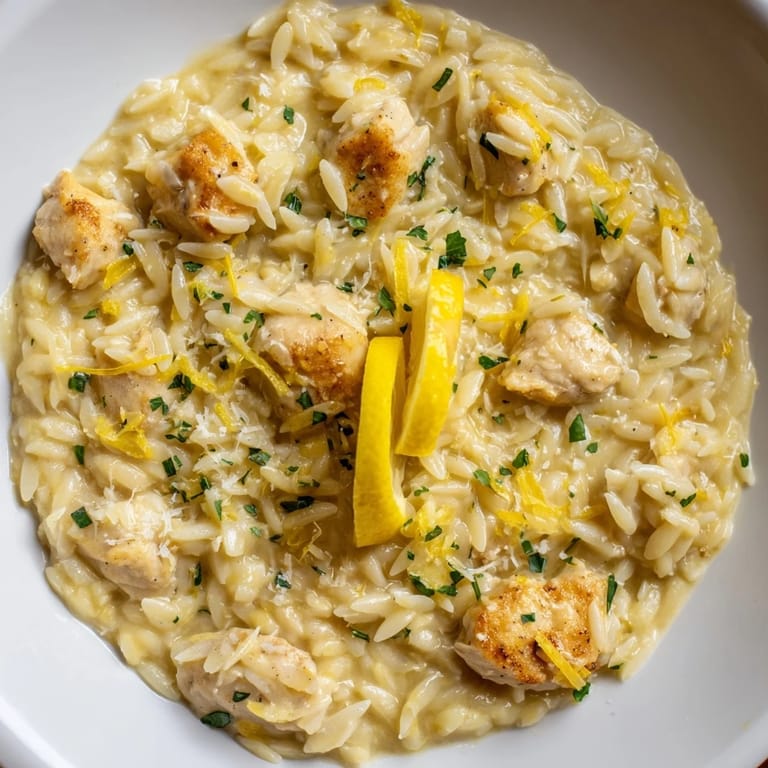
Save There's something magical about the moment when you realize a weeknight dinner doesn't have to be complicated to be memorable. I discovered that truth while standing in my kitchen on a Tuesday evening, staring at chicken breasts and wondering what could turn them into something special. One pan, a handful of pantry staples, and the brightness of a lemon transformed everything—suddenly my family was asking for seconds, and I was already planning when to make it again.
I remember the first time I made this for my sister, who had just moved to town and was tired of takeout boxes. She took one bite and looked up with genuine surprise—not the polite kind, but the kind that says you've stumbled onto something good. That meal turned into a tradition, and now whenever she visits, she asks if I'm making the lemon chicken orzo. There's something about feeding people something they didn't expect to love that sticks with you.
Ingredients
- Chicken breasts: Cut them into generous bite-sized pieces so they cook quickly and soak up all that creamy lemon sauce—no dry, stringy chicken if you're careful about timing.
- Olive oil: Use a good quality one if you can, because it actually matters when the flavors are this simple.
- Butter: This is what gives the aromatics their depth; don't skip it or substitute.
- Onion and garlic: Mince the onion small enough that it practically melts into the sauce, and don't be shy with the garlic.
- Orzo pasta: It's the unsung hero here—small enough to absorb the sauce but substantial enough to make the dish feel like a complete meal.
- Chicken broth: Low-sodium lets you control the salt and keeps the sauce balanced.
- Heavy cream: This creates that luxurious coating, but you can thin it out with half-and-half if you prefer something lighter.
- Lemon: Fresh is non-negotiable here; both the zest and juice matter equally.
- Thyme and red pepper flakes: The thyme whispers in the background while the pepper flakes add a gentle heat that catches you off-guard in the best way.
- Parmesan cheese: Freshly grated makes a real difference; the pre-grated stuff won't melt as smoothly into the sauce.
- Fresh parsley: This is your final flourish—it brings brightness and signals that something special just happened in that pan.
Tired of Takeout? 🥡
Get 10 meals you can make faster than delivery arrives. Seriously.
One email. No spam. Unsubscribe anytime.
Instructions
- Season and sear the chicken:
- Pat your chicken pieces dry if they're wet, then season them generously with salt and pepper. This takes just a moment but makes all the difference in how they brown. Heat olive oil until it shimmers, then add the chicken—you want to hear that sizzle, which means your pan is hot enough to create a golden crust.
- Build your flavor base:
- Once the chicken is golden and cooked through, set it aside on a clean plate. In that same skillet, melt butter over medium heat and add your finely chopped onion, stirring occasionally until it softens and turns translucent. This usually takes about three minutes, and you'll know it's ready when the kitchen smells like comfort itself.
- Toast the orzo:
- Stir in your minced garlic and let it bloom for just a minute—long enough to smell amazing but not so long that it burns. Then add the orzo and stir it in the butter for a minute or two; this toasting step gives it a subtle nuttiness that you'll taste in every bite.
- Create the creamy sauce:
- Pour in your chicken broth while stirring constantly, making sure to scrape up all those golden bits stuck to the bottom of the pan—that's pure flavor. Add the heavy cream, lemon zest, lemon juice, thyme, and red pepper flakes if you're using them, and let everything come together in a gentle simmer.
- Finish the dish:
- Return your chicken to the pan and let it all cook together, uncovered, stirring occasionally, until the orzo is tender and the sauce has thickened slightly. This takes about ten to twelve minutes, and you'll know it's done when the pasta is no longer chalky and the sauce clings to every piece.
- Final touches:
- Stir in your freshly grated Parmesan and chopped parsley, taste it, and adjust the salt and pepper if needed. Sometimes that final taste tells you exactly what's missing.
 Save
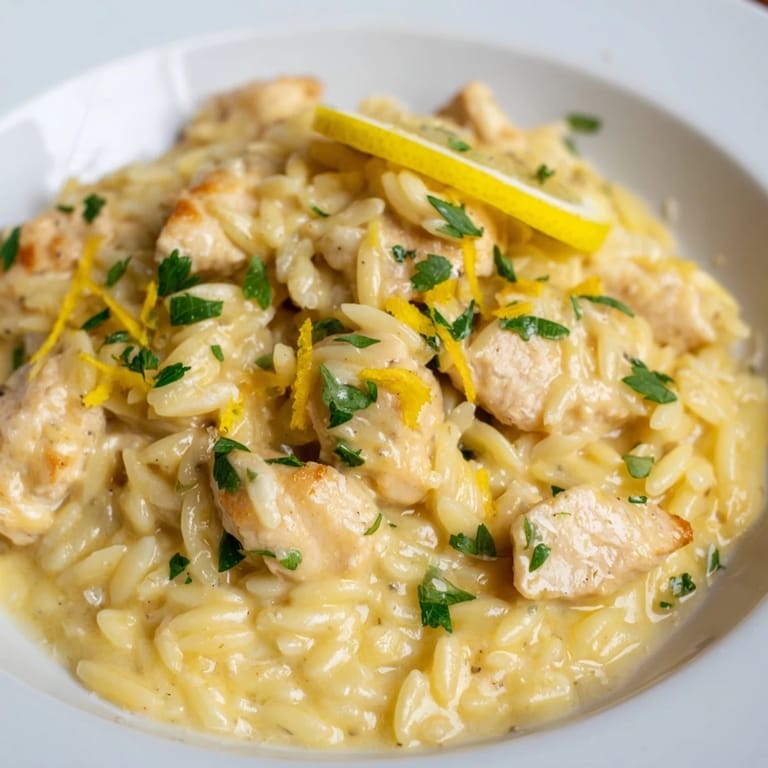
Save There was an afternoon when my neighbor came over unexpectedly just as I was starting dinner, and I was honestly worried about making enough. I threw this together anyway, and she stayed for a bowl, then another conversation that lasted until the sun went down. It's funny how the right meal at the right moment becomes less about the food and more about the feeling it creates.
The Magic of One-Pan Cooking
There's a rhythm to cooking everything in one skillet that changes how you approach the kitchen. You're not juggling multiple pots or worried about timing different components; instead, you're building layers of flavor in one place, and everything gets to know each other as it cooks. The browned bits from the chicken stick to the pan and season the sauce, the butter coats the orzo so it doesn't stick, and the cream carries all those flavors together. It's efficient, but it's also meditative in its own way.
When to Make This and What to Serve It With
This dish is perfect for those evenings when you want something that feels special without spending hours in the kitchen, but it's also flexible enough to fit into any season. In spring, pair it with a crisp Pinot Grigio and a simple green salad dressed in nothing but olive oil and lemon. Summer calls for fresh vegetables on the side and maybe a cold white wine. The chicken keeps it warm and grounding even on cooler evenings, and you can add spinach or peas if you want to sneak in more vegetables without changing the fundamental character of the dish.
Small Variations That Keep It Fresh
Once you've made this a few times and know how it should taste, you can start playing with it. Some people add sun-dried tomatoes or caramelized artichokes for depth, while others finish it with a touch of honey to balance the lemon. I've made lighter versions with half-and-half instead of heavy cream, and they're wonderful in a different way—less indulgent but still creamy. The bones of the recipe are strong enough to handle your tweaks, so don't be afraid to make it your own.
- A splash of white wine added with the broth deepens the flavor without overpowering the lemon.
- Swap half the cream for Greek yogurt stirred in at the very end for a tangy, lighter version.
- Fresh dill or basil can replace the parsley if you want to shift the flavor profile toward something different.
 Save
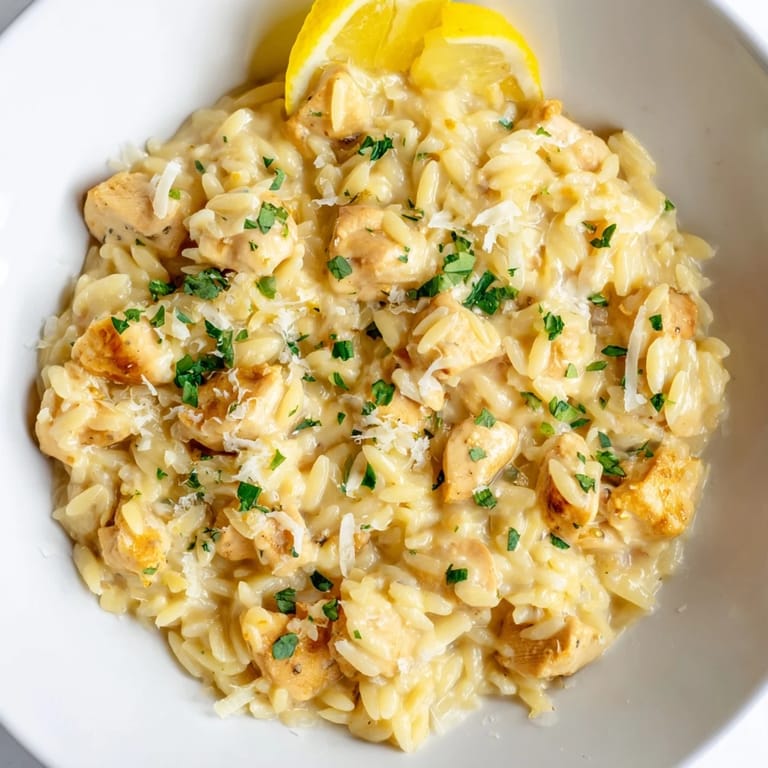
Save This is one of those recipes that reminds me why I cook at all—not for perfection, but for connection. Make it for yourself on a Tuesday, or make it for people you love, and either way, you're creating something that nourishes.
Questions & Answers
- → How do I achieve tender chicken pieces?
Slice chicken breasts into bite-sized pieces and cook over medium-high heat until golden and cooked through, about 5 to 7 minutes, to keep them juicy.
- → Can I substitute the heavy cream in this dish?
Yes, half-and-half or whole milk can be used for a lighter, less rich texture without sacrificing creaminess.
- → What type of pan is best for this dish?
A large, deep skillet or sauté pan works best to evenly cook the chicken and orzo while allowing the sauce to reduce nicely.
- → How can I add extra vegetables to the dish?
Adding baby spinach or peas during the last few minutes of cooking adds freshness and extra nutrients without altering the overall flavor.
- → What wine pairs well with this meal?
A crisp Pinot Grigio or Sauvignon Blanc complements the lemon and creamy elements, enhancing the dish's Mediterranean inspiration.