 Save
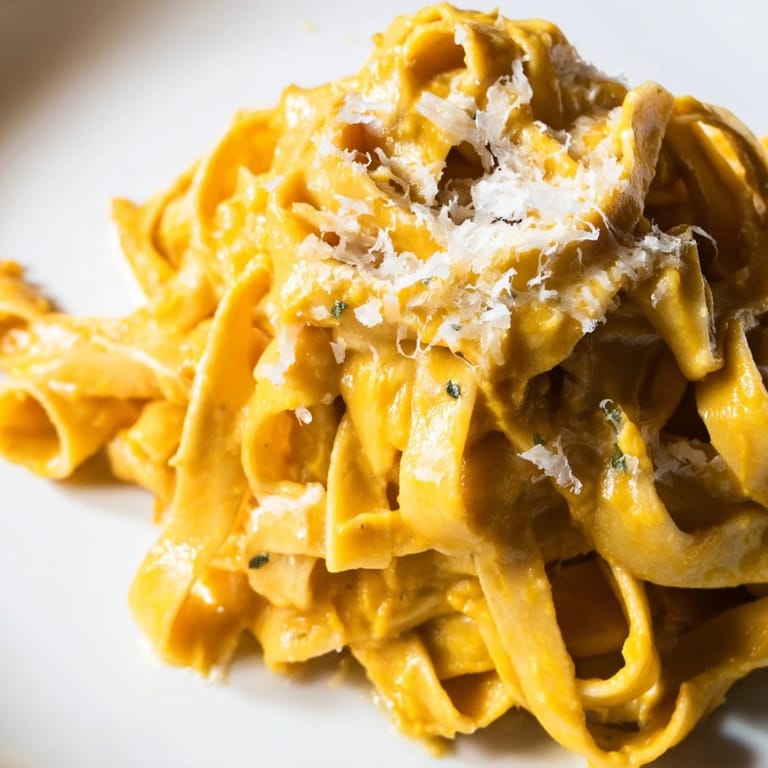
Save My kitchen smelled like autumn the first time I roasted butternut squash with garlic until the edges went golden and sweet. I was trying to impress someone who claimed they didn't like squash, and when I blended that caramelized flesh into a silky sauce and tossed it with fresh pasta, they went quiet for three forkfuls before asking for seconds. That night taught me that vegetables aren't side characters when you treat them right. Now this dish shows up on my stove every October without fail, and I've stopped apologizing for making it twice in one week.
I made this for a friend who was going through a rough patch and didn't have the energy to cook. She sat at my table in her sweatpants, twirling fettuccine and not saying much, and when she finished she looked up and said it tasted like being taken care of. That's when I realized some dishes aren't just about flavor, they're about warmth that lands somewhere deeper than your stomach. I've brought this pasta to new parents, heartbroken roommates, and one very skeptical teenager who now texts me every fall asking when I'm making the orange pasta again.
Ingredients
- Butternut squash: Choose one that feels heavy for its size with no soft spots, and don't skip the roasting because that caramelization is where all the magic happens.
- Garlic cloves: Roasting them in their skins turns them mellow and sweet instead of sharp, and you just squeeze out the soft insides like edible butter.
- Yellow onion: The diced onion gets sautéed with sage until it smells like Thanksgiving, adding a savory backbone that keeps the sauce from being one note sweet.
- Fresh sage: This herb is the secret handshake of fall cooking, and even a little bit makes the whole dish smell like you know what you're doing.
- Fettuccine or tagliatelle: Wide noodles catch the creamy sauce in every twirl, though I've used whatever pasta shape was in the cupboard and it still worked.
- Olive oil: Use the good stuff for roasting because it helps the squash caramelize and adds a fruity richness to the base of the sauce.
- Heavy cream: This makes the sauce luxurious and silky, but coconut milk works beautifully if you're avoiding dairy and adds a subtle sweetness.
- Parmesan cheese: Stir it into the warm sauce so it melts into salty, umami goodness, or use a vegan version that nobody will question.
- Vegetable broth: It loosens the puree into a sauce and adds savory depth without overpowering the sweetness of the squash.
- Nutmeg: Just a pinch wakes up the whole dish with warmth, but go easy because too much turns it into a candle instead of dinner.
Tired of Takeout? 🥡
Get 10 meals you can make faster than delivery arrives. Seriously.
One email. No spam. Unsubscribe anytime.
Instructions
- Roast the squash and garlic:
- Preheat your oven to 400°F and spread the cubed squash and unpeeled garlic on a parchment lined baking sheet, drizzling with olive oil and seasoning generously. Roast for 25 to 30 minutes, flipping halfway, until the edges turn golden and the squash is fork tender and caramelized.
- Cook the pasta:
- Boil a big pot of salted water and cook your fettuccine according to the package instructions, making sure to save half a cup of the starchy pasta water before you drain. That pasta water is liquid gold for adjusting the sauce later.
- Sauté the aromatics:
- In a large skillet over medium heat, warm a tablespoon of olive oil and add the diced onion and chopped sage, stirring until the onion softens and the kitchen smells like a cozy cabin. This takes about four minutes and builds the savory foundation of your sauce.
- Blend the sauce:
- Squeeze the roasted garlic out of its papery skins into your blender, then add the roasted squash, sautéed onion and sage, vegetable broth, and cream. Blend until the sauce is completely smooth and velvety, scraping down the sides if needed.
- Finish the sauce:
- Pour the blended sauce back into the skillet over low heat and stir in the Parmesan and a pinch of nutmeg, tasting and adjusting the salt and pepper. If it looks too thick, splash in some of that reserved pasta water until it coats a spoon nicely.
- Toss and serve:
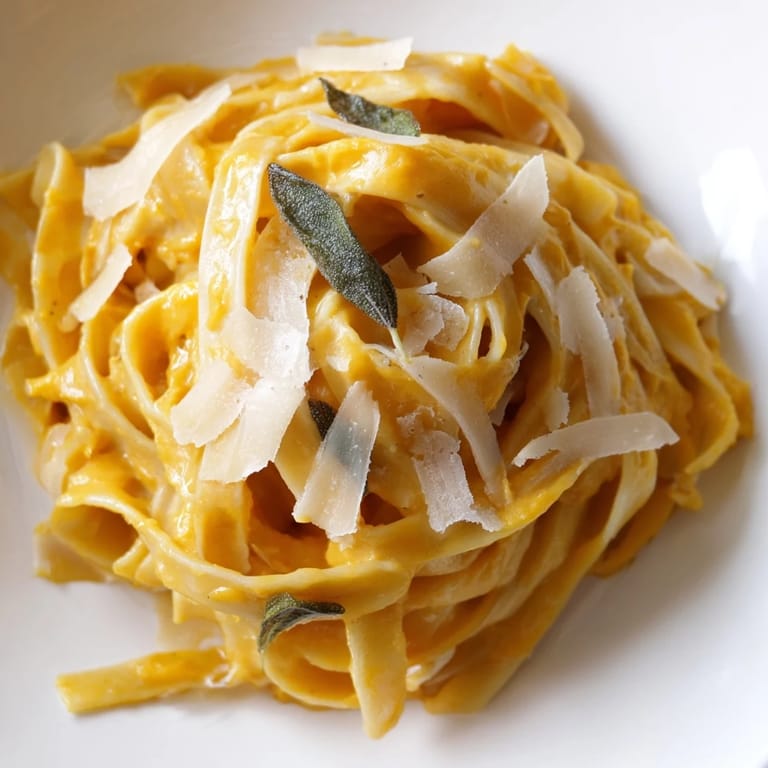
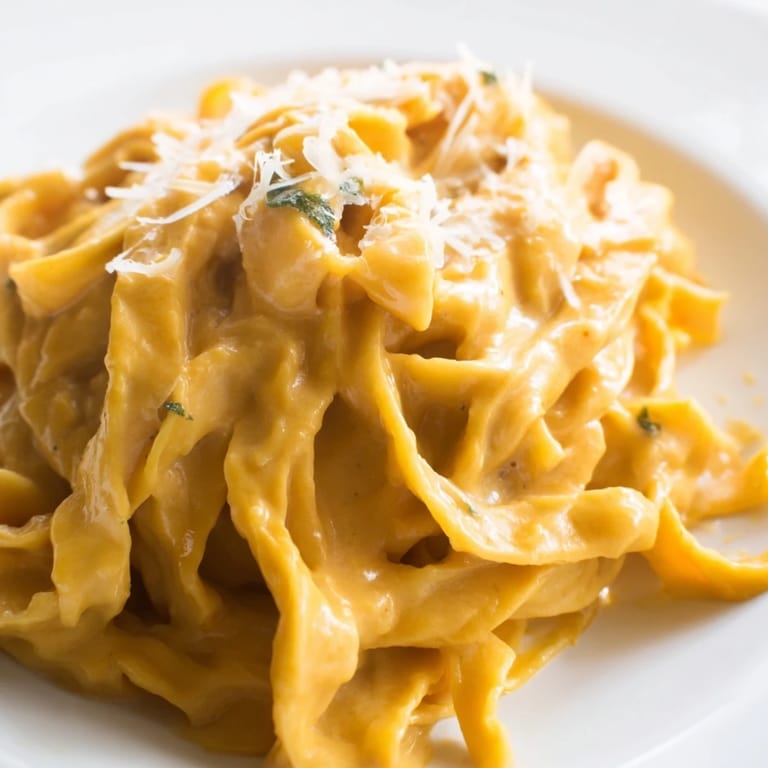
- Add the drained pasta to the skillet and toss gently so every strand gets coated in that creamy orange sauce, letting it warm through for a couple of minutes. Serve immediately with a sprinkle of fresh parsley and extra Parmesan, because you've earned it.
 Save
Save One chilly November evening, I made this pasta for a potluck and watched people go back for thirds while pretending they were just being polite. A woman I barely knew asked for the recipe and later told me she'd made it for her book club, her kids, and her mother in law in the span of two weeks. That's when I realized this dish had a life beyond my kitchen, traveling into other homes and becoming part of someone else's comfort rotation. It's a quiet kind of magic when food you love starts showing up in other people's stories.
Making It Your Own
This recipe is forgiving and loves company, so if you want to add sautéed mushrooms for earthiness or a handful of spinach for color, go ahead and make it yours. I've tossed in toasted walnuts for crunch, stirred in a spoonful of miso for umami depth, and even added a pinch of red pepper flakes when I wanted a little heat. The base sauce is like a blank canvas that welcomes whatever your kitchen or your mood has to offer, and I've never had a variation turn out badly.
Storing and Reheating
Leftovers keep in an airtight container in the fridge for up to three days, and honestly they taste even better the next day when the flavors have melded together. Reheat gently on the stove with a splash of broth or pasta water because the sauce can thicken up overnight, and stir frequently so it doesn't scorch on the bottom. I've also frozen portions of just the sauce for up to two months, which means I can have this dish on the table in the time it takes to boil fresh pasta.
Pairing and Serving Suggestions
This pasta feels like a complete meal on its own, but I like serving it with a simple arugula salad dressed in lemon and olive oil to cut through the richness. A crisp white wine like Pinot Grigio or a light bodied red like Barbera makes it feel special without overwhelming the delicate squash flavor. If you're feeding a crowd, double the sauce recipe because people always want more than they think they will.
- Serve with crusty bread to mop up every last bit of sauce from the bowl.
- Top with crispy fried sage leaves for a restaurant worthy garnish that takes two minutes.
- Pair with roasted Brussels sprouts or a kale salad if you want to add more vegetables to the plate.
 Save
Save This butternut squash pasta has become one of those recipes I make without thinking, the kind that feels like muscle memory and always delivers exactly what I need. I hope it finds a place in your kitchen too, and that it brings you the same kind of comfort it's brought me on countless autumn evenings.
Questions & Answers
- → Can I make this dish ahead of time?
Yes, you can prepare the roasted squash and sauce up to 2 days in advance. Store in the refrigerator in an airtight container. Reheat gently over low heat, adding pasta water to adjust consistency. Cook fresh pasta just before serving for best texture.
- → What pasta shapes work best with this sauce?
Fettuccine, tagliatelle, and pappardelle are ideal choices as their wide ribbons catch the creamy sauce beautifully. You can also use penne or rigatoni for a different texture. Fresh pasta absorbs the sauce better than dried varieties.
- → How do I achieve the perfect sauce consistency?
The reserved pasta water is key to adjusting thickness. Start with less broth in your blend, then gradually add pasta water until reaching desired consistency. The sauce should coat the pasta without being too thick or thin.
- → What vegetables can I add for extra nutrition?
Sautéed mushrooms, fresh spinach, roasted Brussels sprouts, or crispy kale complement this dish beautifully. Toasted walnuts or pine nuts add satisfying crunch and protein. Add them in the final steps or as toppings.
- → Is this suitable for dairy-free or vegan diets?
Absolutely. Substitute heavy cream with full-fat coconut milk or cashew cream, and use vegan Parmesan or nutritional yeast. The roasted squash provides natural richness and creaminess without dairy products.
- → Can I use fresh butternut squash instead of dried pasta?
Fresh pasta is an excellent choice and cooks faster than dried varieties. If using fresh pasta, reduce cooking time significantly and add it to the sauce immediately after cooking for the best flavor absorption and texture.