 Save
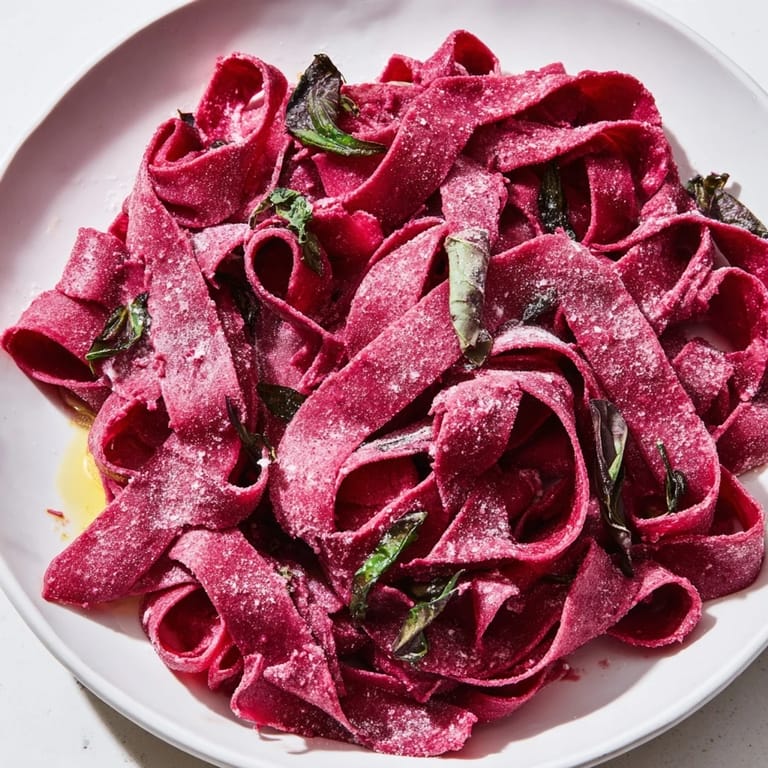
Save The kitchen counter was dusted pink, my hands stained like I'd just tie-dyed a shirt, and I couldn't stop grinning. I'd roasted a beet on a whim after reading about natural dyes in pasta, and the moment I kneaded that magenta puree into flour, I knew I was onto something special. The dough was silky, almost too pretty to cut, and when I finally boiled those ribbons, they glowed in the pot like something out of a fairytale. My neighbor peeked through the window and asked if I was making art or dinner. Both, I told her, definitely both.
I made this for a small dinner party once, and my friend Sarah refused to believe the color was real until I showed her the leftover beet in the fridge. She kept twirling her fork, watching the light catch the noodles, and then declared it was too beautiful to eat. We ate it anyway, of course, with brown butter and a snowstorm of Parmesan. That night, the conversation lasted hours, and I'm convinced the pasta had something to do with it. There's magic in putting something this vibrant on the table.
Ingredients
- Medium beet (about 180 g): Roasting brings out its natural sugar and mellows any earthiness, plus the puree becomes silky smooth and easy to mix.
- Olive oil (1 tablespoon): Just enough to keep the beet from drying out in the oven and to coax out deeper flavor.
- All-purpose flour (2 cups, 250 g): The backbone of your dough, and you'll want extra nearby for dusting since beet puree adds moisture.
- Large eggs (2): They bind everything together and give the pasta that rich, tender bite we're after.
- Salt (1/2 teaspoon): Don't skip it in the dough, it wakes up all the other flavors quietly.
- Roasted beet puree (1/4 cup, 60 g): This is your color and subtle sweetness, measure it carefully so the dough doesn't get too wet.
- Unsalted butter or olive oil (2 tablespoons): For tossing the cooked noodles, it adds just enough richness without hiding the beet.
- Fresh herbs (basil, parsley): A handful of green against all that magenta makes the plate sing.
- Grated Parmesan or pecorino: Salty, nutty, and the perfect finish, though the pasta shines even without it.
Tired of Takeout? 🥡
Get 10 meals you can make faster than delivery arrives. Seriously.
One email. No spam. Unsubscribe anytime.
Instructions
- Roast the Beet:
- Preheat your oven to 400°F (200°C), wrap the scrubbed beet in foil with a drizzle of olive oil and a pinch of salt, then roast for 45 to 60 minutes until a fork slides through easily. Let it cool just enough to handle, then peel away the skin with your fingers or a paper towel.
- Make the Beet Puree:
- Toss the roasted beet into a food processor or blender and blitz until completely smooth and glossy. Measure out 1/4 cup (60 g) for the dough and save any extra for smoothies or spreading on toast.
- Form the Dough:
- Mound your flour on a clean counter and make a deep well in the center, then crack in the eggs, add the salt, and pour in the beet puree. Use a fork to beat the wet ingredients together, slowly pulling in flour from the sides until a shaggy dough starts to come together.
- Knead Until Smooth:
- Get your hands in there and knead for 8 to 10 minutes, folding and pressing until the dough feels smooth, elastic, and just a little bit alive. If it's sticky, dust with more flour a tablespoon at a time.
- Rest the Dough:
- Wrap the dough tightly in plastic wrap and let it rest on the counter for 30 minutes. This lets the gluten relax so rolling becomes a breeze instead of a wrestling match.
- Roll and Cut:
- Divide the dough into 4 pieces, then roll each one through a pasta machine or with a rolling pin until it's thin enough to see your hand through, about 1 to 2 mm. Cut into your favorite noodle shape, tagliatelle and fettuccine both work beautifully.
- Cook the Pasta:
- Bring a big pot of salted water to a rolling boil, drop in the noodles, and cook for just 2 to 3 minutes until they float and taste tender with a bit of chew. Drain and toss immediately with butter or olive oil, herbs, and cheese if you like.
 Save
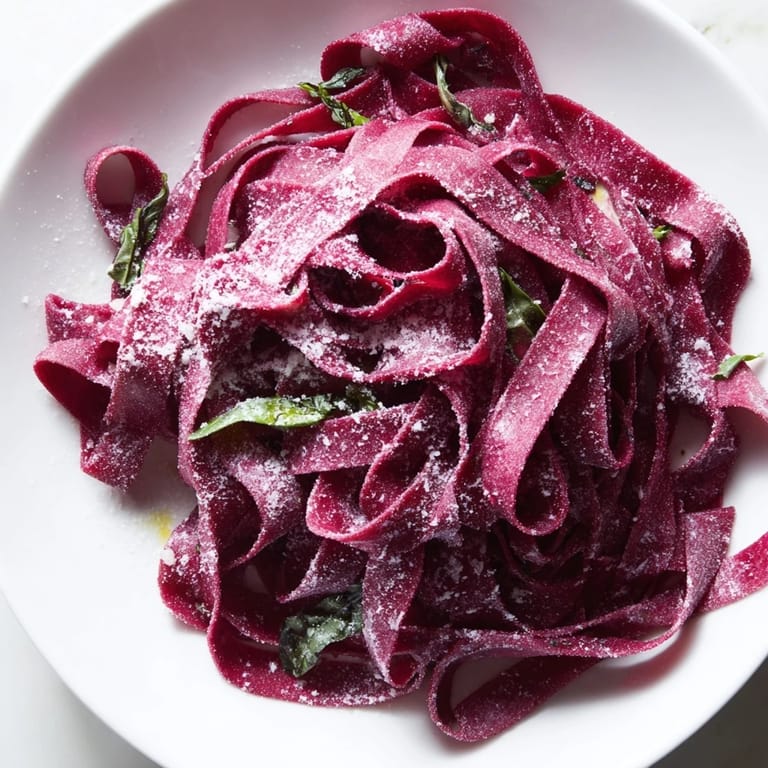
Save One Sunday morning, I made a double batch and hung the noodles over a wooden dowel to dry, and my kitchen looked like a little pasta studio. My partner walked in, grabbed his camera, and we spent twenty minutes just photographing the light filtering through those translucent ribbons. We never did eat that batch for lunch, we were too busy laughing and marveling at how something so simple could feel so special. That's the thing about cooking from scratch, it slows you down in the best way.
How to Store Leftover Pasta
If you have uncooked noodles left, dust them well with flour and lay them flat on a parchment-lined tray, then freeze until solid before transferring to a bag. They'll keep for up to a month and can go straight from freezer to boiling water. Cooked pasta is trickier, toss it lightly with oil and refrigerate in an airtight container for up to two days, though it's always best fresh. I've reheated leftovers in a hot pan with a splash of pasta water, and they come back to life surprisingly well.
Sauce Pairing Ideas
This pasta is a showstopper on its own, so I like to keep sauces simple and let the color do the talking. Brown butter with crispy sage is my go-to, nutty and warm without competing with the beet. A light lemon cream sauce works beautifully too, just cream, lemon zest, and a pinch of pepper whisked together. For something fresh, toss the noodles with goat cheese, arugula, and toasted walnuts, the bitterness and tang play off the sweetness perfectly.
Making It Your Own
Once you've nailed the basic dough, the world opens up. I've swapped in whole wheat flour for half the all-purpose to add a nutty depth, though it makes the dough a bit less silky. You can also experiment with different shapes, I've made ravioli filled with ricotta and lemon zest, and the beet dough held up like a dream. If you want a deeper color, add an extra tablespoon or two of puree, just be ready to adjust the flour to keep the consistency right.
- Try adding finely chopped fresh thyme or rosemary directly into the dough for an herbal twist.
- For a vegan version, replace the eggs with 1/4 cup water and 1 tablespoon olive oil, the texture changes slightly but it still works.
- Mix in a teaspoon of lemon zest with the beet puree for a brighter, more citrusy note that cuts through the earthiness.
 Save
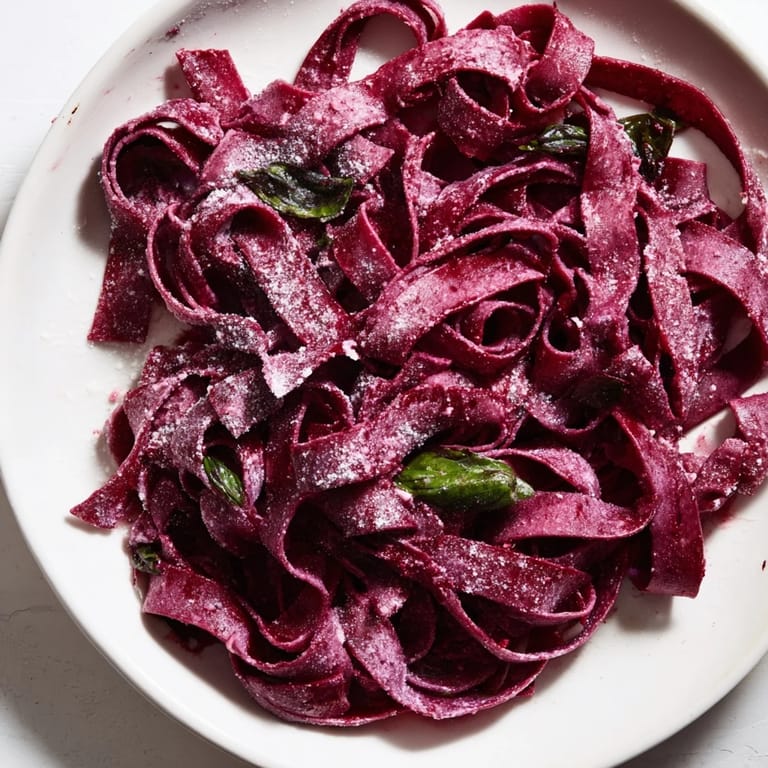
Save Every time I pull this dough together, I'm reminded that cooking isn't just about following steps, it's about curiosity and a little bit of courage. This recipe gave me that, and I hope it does the same for you.
Questions & Answers
- → How do I achieve the brightest magenta color in beet pasta?
Use fresh beets rather than canned, and roast them fully until very tender. The longer roasting concentrates the natural pigments. For even deeper color, increase the beet puree to 1/3 cup, adjusting flour slightly to maintain dough consistency.
- → Can I make beet pasta dough ahead of time?
Yes, prepare the dough up to 24 hours before rolling. After kneading, wrap tightly in plastic wrap and refrigerate. Remove 20 minutes before rolling to bring to room temperature for easier handling.
- → What sauces pair best with beet noodles?
Light, delicate sauces work beautifully—brown butter with sage, lemon cream, or simply olive oil with garlic. Avoid heavy tomato-based sauces which can mask the subtle beet flavor and compete with the striking color.
- → How do I prevent the dough from becoming sticky when working with beet puree?
Measure the beet puree precisely and adjust flour gradually if needed. Keep your work surface lightly floured and your hands dry. If excess moisture develops, add flour by the tablespoon until the dough reaches the right consistency.
- → Can I substitute eggs with a vegan alternative?
Absolutely. Replace eggs with 1/4 cup water mixed with 1 tablespoon olive oil. The dough may require slightly more kneading, but results in tender noodles. Use olive oil instead of butter when serving.
- → How long can fresh beet pasta be stored before cooking?
Fresh cut noodles are best cooked immediately or within a few hours. For longer storage, dry them completely on a floured surface for several hours, then store in an airtight container for up to 3 days.