 Save
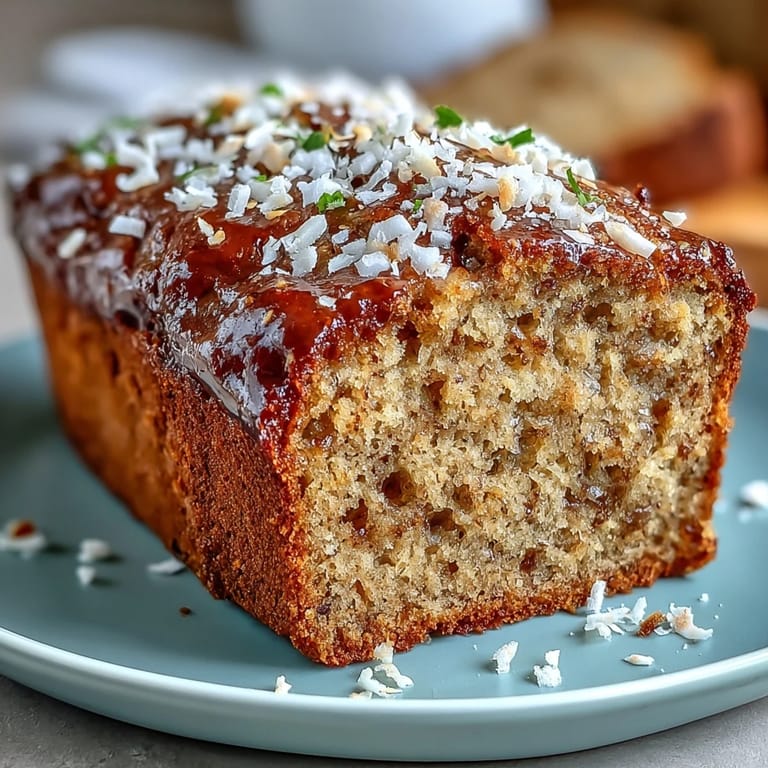
Save My neighbor brought over a jar of homemade guava paste one afternoon, and I stood in my kitchen wondering what on earth to do with it. The cardamom in my spice rack seemed like the obvious partner—warm, slightly floral, unexpectedly tropical. By the time I'd mashed a couple of overripe bananas and added a pinch of lime zest, something magical was happening. This vegan cardamom guava banana bread became the bridge between two completely different flavor worlds, and somehow it just works.
I made three loaves of this last year when my sister visited from out of state, and she ate nearly an entire one while sitting at my kitchen counter talking about everything we'd missed. The bread stayed soft for days, and she kept sneaking slices with her morning coffee, wrapping them in foil to take back to her hotel. That's when I knew this recipe had staying power—when people actually remember it and ask you to make it again.
Ingredients
- Ripe bananas (about 2 medium, mashed to 1 cup): The riper and softer they are, the sweeter your bread and the easier they mash; this is where you use those ones you almost threw away.
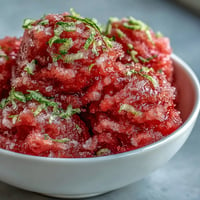
- Guava pulp (3/4 cup fresh or canned, strained if seedy): Canned works beautifully and saves you hunting down fresh guavas, though fresh is worth it if you find good ones at a Latin market.
- Lime zest (from 1 lime): Don't skip this tiny ingredient because it's what makes people pause mid-bite and wonder what's making the flavor sing.
- Light brown sugar (1/2 cup): Brown sugar has more moisture than white, which means your crumb stays tender longer.
- Neutral oil (1/3 cup): Use sunflower, canola, or even mild coconut oil; this keeps everything vegan while creating that tender texture you'd normally get from butter.
- Unsweetened plant-based milk (1/4 cup): Any kind works—I've used oat milk when it's what I had on hand and the bread turned out beautifully.
- Vanilla extract (1 tsp): It bridges the gap between the tropical flavors and keeps the bread from tasting too one-note.
- All-purpose flour (2 cups): Don't reach for cake flour or self-rising; standard all-purpose gives you the right structure.
- Ground cardamom (1 1/2 tsp): This is the secret weapon, and yes, it's a generous amount—that's what makes this bread different from every other banana bread you've tried.
- Baking soda (1 tsp): The acidity from the guava and lime activates this, so don't confuse it with baking powder.
- Baking powder (1/2 tsp): This gives you extra lift and a tender crumb.
- Salt (1/4 tsp): A pinch is all you need to make every flavor pop without making it taste salty.
- Walnuts or pecans (1/3 cup chopped, optional): Toasting them for two minutes in a dry pan before adding makes them taste richer and less like an afterthought.
- Coarse sugar (2 tbsp for sprinkling, optional): This gives you a subtle crunch and sparkle on top that looks intentional.
Tired of Takeout? 🥡
Get 10 meals you can make faster than delivery arrives. Seriously.
One email. No spam. Unsubscribe anytime.
Instructions
- Get your oven ready and prepare the pan:
- Preheat to 350°F and grease a 9x5-inch loaf pan with a little oil, then line the bottom with parchment paper so your bread slides out cleanly later. This takes two minutes and saves you from frustration.
- Combine the fruit and wet ingredients:
- Mash your bananas in a large bowl until mostly smooth—a few small lumps are fine and actually add texture. Stir in the guava pulp and lime zest, then add the brown sugar, oil, plant-based milk, and vanilla, mixing until it looks cohesive and slightly loose.
- Whisk the dry ingredients separately:
- In another bowl, whisk together the flour, cardamom, baking soda, baking powder, and salt so the cardamom distributes evenly. This prevents little cardamom pockets in your bread.
- Bring everything together gently:
- Pour the wet mixture into the dry ingredients and stir just until the flour disappears; stop as soon as you don't see white streaks anymore. Overmixing develops gluten and makes the bread tough, which is the opposite of what you want.
- Add nuts if you're using them:
- Fold in the chopped walnuts or pecans with just a few gentle strokes of your spatula.
- Pour into the pan and finish the top:
- Transfer the batter into your prepared loaf pan and smooth the top with a spatula or the back of a spoon. Sprinkle with coarse sugar if you want that little sparkle.
- Bake until golden and done:
- Bake for 45 to 55 minutes—ovens vary, so start checking at 45 minutes by inserting a toothpick in the center; it should come out with just a few moist crumbs clinging to it, not wet batter. The top should be golden brown and the edges should look set.
- Cool with patience:
- Let the bread rest in the pan for 10 minutes so it sets enough to handle, then turn it out onto a wire rack to cool completely. This prevents the bottom from getting soggy.
 Save
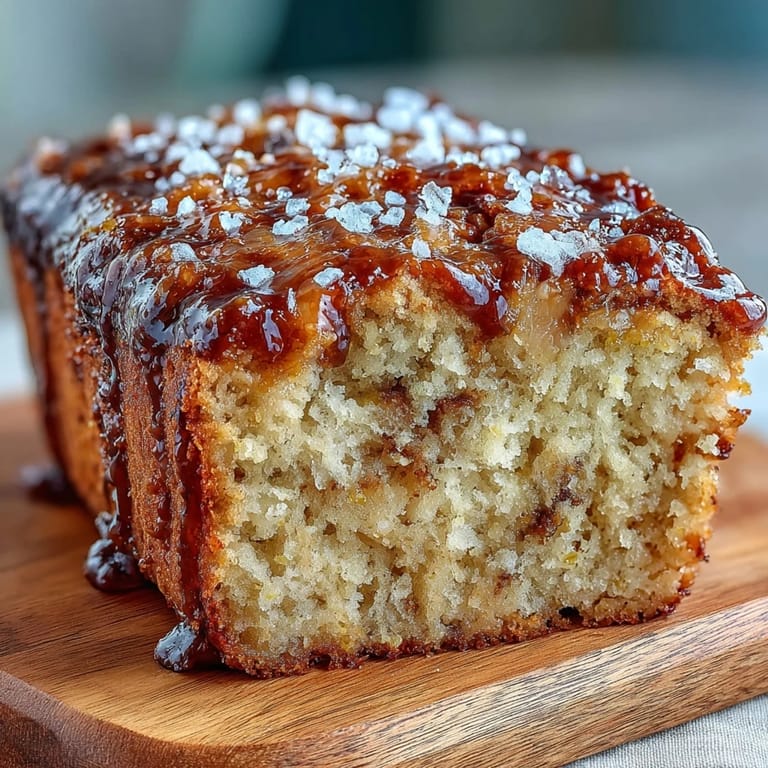
Save I've learned that this bread somehow tastes even better on day two or three when the flavors meld together and the moisture redistributes throughout the crumb. It's the kind of loaf that makes sense with tea, with coffee, or crumbled into a bowl of plant-based yogurt for breakfast.
The Magic of Cardamom
Cardamom is one of those spices that feels fancy without requiring any effort to achieve the effect. When you pair it with tropical fruit like guava and banana, it stops tasting like a chai ingredient and starts tasting like something completely new. The floral warmth plays off the tartness of the lime and the sweetness of the fruit in a way that surprises people who expect regular banana bread.
Why Guava Changes Everything
Guava brings this mild tartness and natural moisture that banana alone can't provide, which means you end up with a bread that feels premium even though it's vegan. The flavor is subtle enough that people might not guess the ingredient at first, but it's what makes the bread taste brighter and more interesting than a standard quick bread. If guava isn't available to you, mango puree or pineapple work as substitutes, though they'll shift the flavor profile slightly toward sweeter.
Storage and Serving Suggestions
This bread keeps beautifully for three or four days wrapped in foil at room temperature, and it actually freezes wonderfully if you want to make two loaves and save one. Slice it while it's still slightly warm and serve with vegan butter, or drizzle with a simple lime glaze made from powdered sugar and lime juice for something a little fancier.
- A cup of chai or tropical fruit tea pairs perfectly with a warm slice because the spices and citrus complement the bread.
- You can add an extra 1/4 cup of unsweetened applesauce to the wet ingredients if you like your bread extra moist.
- Toast thick slices and eat them as an open-faced sandwich with avocado and lime for a surprising lunch.
 Save
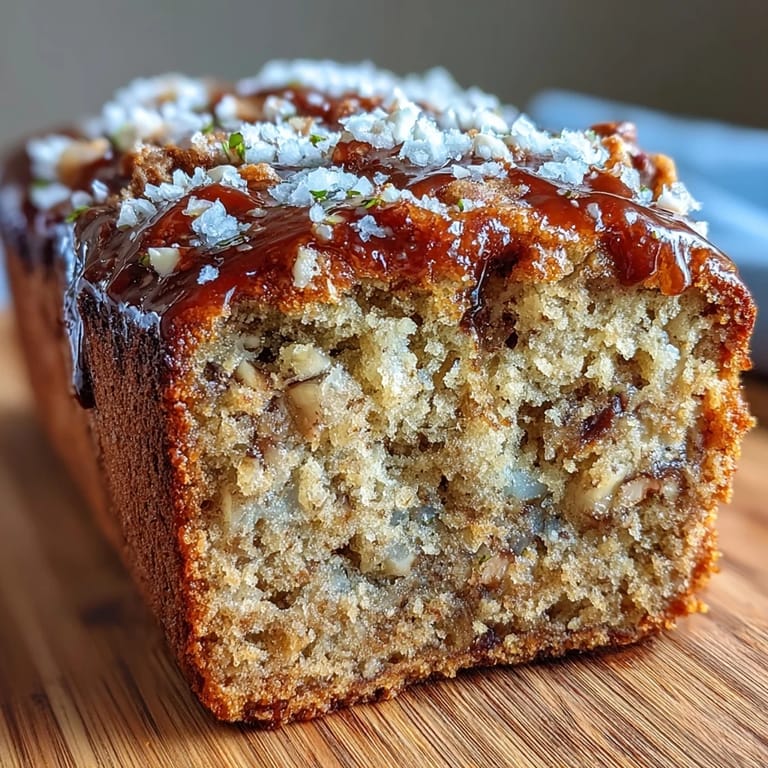
Save Make this bread when you want your kitchen to smell like something special, or when you need to bring something to share that doesn't apologize for being vegan or dairy-free. It's become one of those recipes I return to again and again because it delivers every single time.
Questions & Answers
- → Can I use frozen guava pulp?
Yes, frozen guava pulp works perfectly. Thaw it completely and strain if it has seeds before adding to the batter. Frozen guava often has a more concentrated flavor.
- → How should I store this banana bread?
Wrap the cooled loaf tightly in plastic wrap or store in an airtight container at room temperature for up to 3 days. For longer storage, refrigerate for up to a week or freeze individual slices for up to 3 months.
- → What can I substitute for cardamom?
If cardamom isn't available, try cinnamon, nutmeg, or a blend of both. The flavor profile will change slightly but remain delicious. Ground ginger could also work for a different tropical twist.
- → Why did my bread turn out dense?
Overmixing the batter can develop too much gluten, resulting in a dense texture. Stir gently until just combined—some small lumps are fine. Also ensure your baking soda and powder are fresh for proper rise.
- → Can I make this gluten-free?
Yes, substitute the all-purpose flour with a 1:1 gluten-free flour blend that includes xanthan gum. The texture may be slightly different but still enjoyable. Almond flour can partially replace some flour for added moisture.
- → How do I know when it's done baking?
Insert a toothpick into the center of the loaf. It should come out clean or with just a few moist crumbs. The top should be golden brown and firm to the touch. If it's browning too quickly, tent with foil after 30 minutes.