 Save
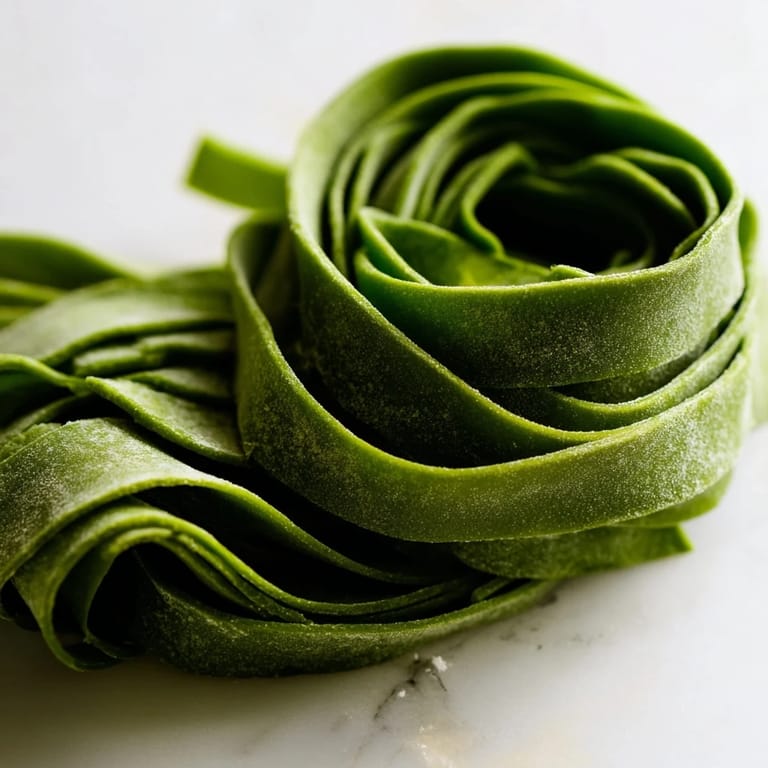
Save The first batch came out looking like swamp water, honestly. I had squeezed the spinach with my hands, thinking that was good enough, but the dough turned slippery and refused to hold together. My countertop looked like a crime scene. It wasn't until I wrapped that spinach in a clean kitchen towel and twisted it like my life depended on it that I understood what "bone dry" actually means. Now, every time I make this spinach pasta dough, I remember that mess and laugh, because the vibrant green noodles that finally came together were worth every bit of the chaos.
I made this for my sister's birthday once, rolling out long sheets of dough while she sat at the kitchen table with a glass of wine, telling me about her week. We cut the pasta into wide pappardelle, and she kept stealing little scraps of raw dough to nibble on. When we finally sat down to eat, she said it tasted like effort and love, which is the best compliment I've ever gotten. That night, the pasta wasn't just food, it was the excuse we needed to slow down and be together.
Ingredients
- Fresh baby spinach leaves (100 g): Baby spinach has tender leaves that puree smoothly without any bitter aftertaste, and blanching them for just 30 seconds keeps the color bright instead of muddy.
- Large eggs (2): They bind the dough and add richness, but make sure they're at room temperature so they mix more easily with the cold spinach puree.
- Italian 00 flour (200 g): This finely milled flour creates a silky, tender pasta that practically melts on your tongue, though all purpose flour works in a pinch if that's what you have.
- Semolina flour (50 g, optional): Adding semolina gives the pasta a bit of toothsome bite and helps it hold its shape when boiled, plus it adds a lovely golden undertone to the green.
- Fine sea salt (½ tsp): Just enough to season the dough from the inside out, because under seasoned pasta is a tragedy no sauce can fix.
Tired of Takeout? 🥡
Get 10 meals you can make faster than delivery arrives. Seriously.
One email. No spam. Unsubscribe anytime.
Instructions
- Blanch and drain the spinach:
- Drop the spinach into boiling water and count to 30, then immediately drain and shock it under cold water to stop the cooking. Squeeze it in a towel until your hands hurt, because any leftover water will make your dough a sticky nightmare.
- Puree the spinach:
- Chop it finely with a knife or blitz it in a food processor until it's as smooth as baby food. The finer it is, the more evenly the color will distribute through your dough.
- Make the flour well:
- Pile your flour and salt on a clean counter and use your fingers to create a wide crater in the center, like a volcano. Make sure the walls are thick enough that the eggs won't break through when you add them.
- Combine wet ingredients:
- Crack the eggs into the well and add your spinach puree, then use a fork to gently whisk them together while pulling in flour from the inner walls. Keep going until the mixture is too thick to stir, then switch to your hands.
- Knead the dough:
- Push the dough away with the heel of your hand, fold it back, and turn it a quarter turn, repeating this rhythm for 8 to 10 minutes. You'll feel it transform from shaggy and rough to smooth and elastic, and it should bounce back when you poke it.
- Rest the dough:
- Wrap it tightly in plastic wrap and let it sit on the counter for 30 minutes. This rest period lets the gluten relax so the dough rolls out easily instead of shrinking back stubbornly.
- Roll and cut:
- Run the dough through a pasta machine, starting at the widest setting and working your way thinner, or roll it out with a pin if you're feeling strong. Cut it into whatever shape your heart desires, fettuccine, pappardelle, or little squares for ravioli.
- Cook fresh:
- Boil the pasta in heavily salted water for just 1 to 2 minutes, it cooks much faster than dried pasta. Taste a strand to check, it should be tender but still have a little chew.
 Save
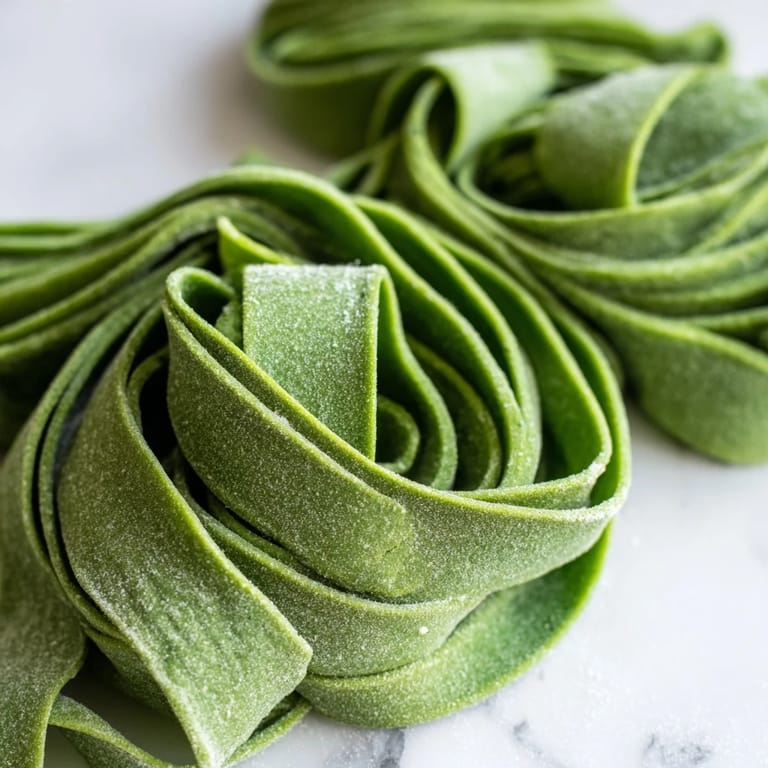
Save One rainy Sunday, I taught my neighbor how to make this dough, and we spent the afternoon turning her kitchen into a pasta workshop. Flour dusted every surface, green ribbons draped over chair backs to dry, and we talked about everything and nothing while our hands stayed busy. When she served it to her family that night, she texted me a photo of their empty plates with the message, "They actually asked for seconds." Sometimes a recipe is just the beginning of something bigger.
Storing Your Dough
If you're not using the dough right away, wrap it tightly and stash it in the fridge for up to 24 hours. The dough will darken slightly as it sits, but the flavor deepens in a good way. You can also freeze it for up to a month, just let it thaw in the fridge overnight before rolling. I've learned to make a double batch and freeze half, because future me is always grateful when fresh pasta is just a thaw away.
Flavor Variations
A pinch of nutmeg in the dough adds a warm, slightly sweet note that plays beautifully with brown butter or cream sauces. I've also swapped in half whole wheat flour for a nuttier, heartier pasta that feels more rustic and pairs well with chunky vegetable sauces. Once, I added a teaspoon of lemon zest along with the spinach, and it brought a bright, unexpected freshness that made the whole dish feel like spring. Don't be afraid to experiment, pasta dough is more forgiving than it looks.
Serving Suggestions
This dough shines with simple sauces that let the flavor and color take center stage. I love it tossed with brown butter, crispy sage, and a shower of parmesan, or folded into ravioli stuffed with ricotta and lemon zest. It also makes stunning lasagna sheets that turn a familiar dish into something people actually photograph before eating.
- Try it with a creamy gorgonzola sauce and toasted walnuts for a rich, satisfying dinner.
- Use it for tortellini filled with butternut squash and serve in a light broth.
- Toss the cooked pasta with olive oil, garlic, and cherry tomatoes for a quick weeknight meal that still feels special.
 Save
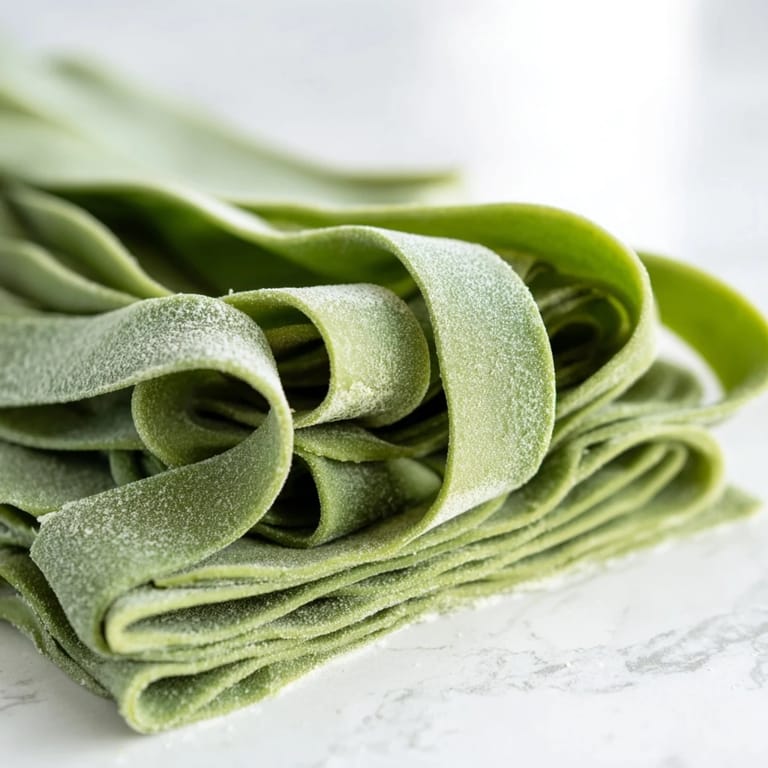
Save There's something deeply satisfying about making pasta from scratch, feeling the dough come together under your hands and knowing exactly what's in it. This spinach version has become my favorite because it turns an ordinary dinner into something worth remembering, and that's the kind of cooking I want to keep doing.
Questions & Answers
- → Why blanch spinach before adding it to the dough?
Blanching wilts the spinach and allows you to squeeze out excess moisture, which is essential for proper dough consistency. Too much liquid would make the dough sticky and difficult to work with. This step ensures a smooth, elastic texture perfect for rolling and shaping.
- → Can I use frozen spinach instead of fresh?
Yes, frozen spinach works well. Thaw it completely and squeeze out all excess moisture before pureeing. Use approximately 75g frozen spinach (which yields about 100g when thawed). The dough will develop the same vibrant color and flavor.
- → What's the difference between Italian 00 flour and regular flour?
Italian 00 flour is milled much finer, creating silkier pasta dough with a delicate texture. Its lower gluten content produces more tender pasta. All-purpose flour can substitute, but the result will be slightly chewier. Semolina adds texture and prevents sticking during rolling.
- → How do I know when the dough is kneaded enough?
The dough is ready when it becomes smooth, elastic, and springs back when poked gently. This typically takes 8–10 minutes of hand kneading. The surface should be silky without stickiness or dryness. Proper kneading develops gluten structure for better pasta texture.
- → Can I make this dough ahead of time?
Absolutely. Wrap the rested dough tightly in plastic wrap and refrigerate for up to 24 hours. Let it return to room temperature for 15–20 minutes before rolling out. You can also freeze it for up to 3 months—thaw in the refrigerator overnight before using.
- → What's the best way to roll out the dough?
A pasta machine yields the most consistent, thin sheets and requires less effort than a rolling pin. Start with the widest setting, fold the dough in half, and run it through several times until smooth. Then progressively use thinner settings. For rolling pins, work from center outward, rotating the dough frequently for even thickness.