 Save
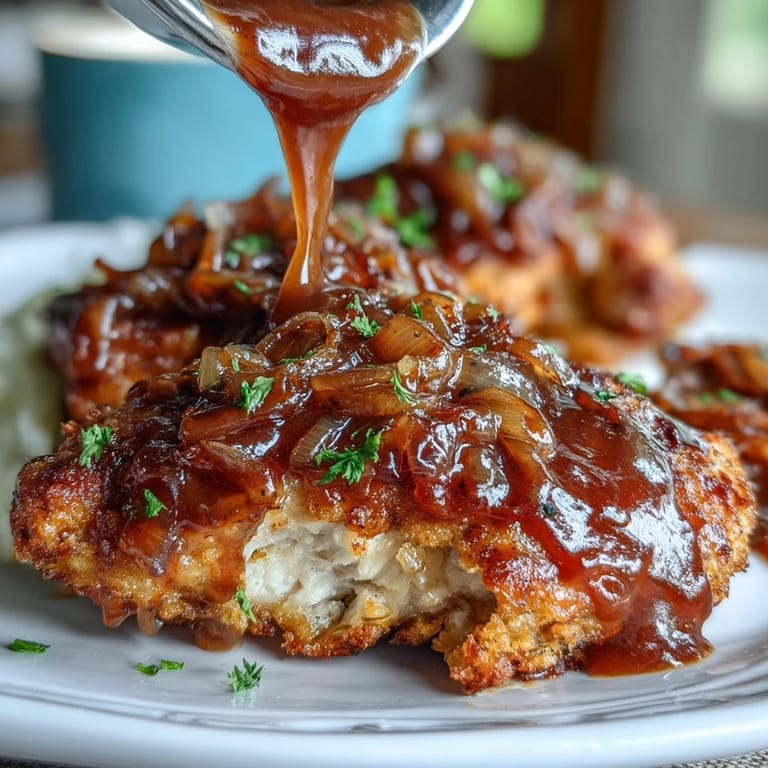
Save My grandmother's kitchen on Sunday afternoons smelled like this dish—that particular blend of frying chicken and caramelizing onions that somehow made time slow down. She'd stand at her cast iron skillet in a faded apron, not following any written recipe, just knowing when the chicken hit that perfect golden brown and when the gravy had reached its silky peak. Years later, I realized she'd been teaching me something deeper than cooking technique: that real comfort food is built on patience and the small ritual of feeding people you love.
I made this for my partner on a rainy Tuesday when neither of us had planned anything special—just one of those nights where you want something substantial and real. Watching them take that first bite, seeing their eyes close for a second, I understood why my grandmother never needed a recipe written down. This dish doesn't just feed hunger; it answers some deeper need for belonging.
Ingredients
- Bone-in, skin-on chicken thighs and drumsticks: This is where the magic lives—the bones release collagen into your gravy, making it naturally rich and velvety, and the skin crisps up in a way boneless chicken simply can't match.
- All-purpose flour (for breading and gravy): The flour crust gives you that satisfying textural layer, and then it does double duty as your gravy thickener—nothing wasted, everything purposeful.
- Vegetable oil: Medium-heat frying oil that won't overpower the chicken; it needs to get hot enough to create that golden crust without burning the breading.
- Large yellow onions, thinly sliced: They mellow and sweeten as they cook, creating the foundation of your gravy—this is why patience with the onions matters more than you'd think.
- Low-sodium chicken broth: This gives you control over the final salt level; homemade stock elevates the whole dish into something transcendent if you have it on hand.
- Unsalted butter: Added at the end to smooth and enrich the gravy—it's the small gesture that makes people ask for the recipe.
- Paprika, garlic powder, onion powder, thyme: These seasonings work together to build layers of savory depth without being obvious about it.
Tired of Takeout? 🥡
Get 10 meals you can make faster than delivery arrives. Seriously.
One email. No spam. Unsubscribe anytime.
Instructions
- Pat and season your chicken:
- Dry chicken pieces are the secret to crispy skin—moisture is the enemy of that golden crust you're after. Get your hands in there and really work those seasonings into every crevice, especially under any skin folds.
- Set up your breading station:
- Mixing salt and pepper into your flour ahead of time might seem small, but it distributes seasoning evenly and prevents you from over-salting one piece. Shake off excess flour or it'll burn in the oil and taste bitter.
- Fry the chicken until golden:
- This is a partial cook—don't panic if it's not fully cooked through yet. The skin should be crackling and mahogany-colored, and you're aiming for that slightly shrunken, tightened look that tells you the skin is rendered and crispy.
- Build your onion base:
- Lower the heat and let those onions actually caramelize in the chicken fat left in the pan—this is where patience pays off. They'll go from sharp and raw to sweet and jammy, and that's your flavor foundation.
- Make a roux:
- Sprinkle flour over the softened onions and let it toast for a minute or two, stirring constantly. You're looking for a light golden color, not brown—this prevents a raw flour taste in your finished gravy.
- Whisk in the broth:
- Go slowly and steady, scraping up every stuck bit from the pan bottom as you pour. Those browned bits are pure flavor, and they'll dissolve into your gravy as you whisk.
- Return chicken and braise:
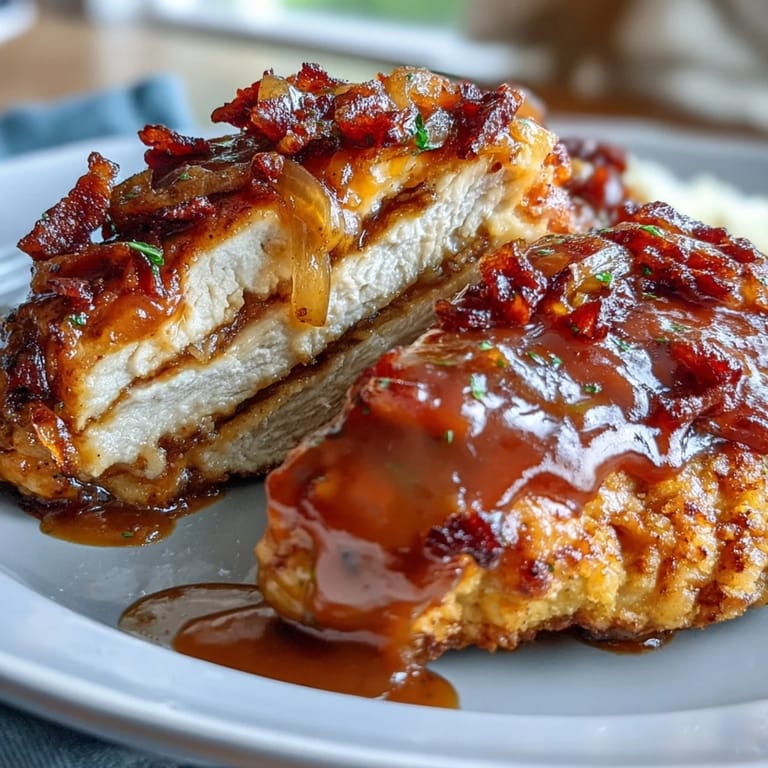
- Nestle each piece into the gravy so it stays moist as it finishes cooking. The cover traps steam, which keeps the chicken tender—don't skip it or your chicken will dry out.
 Save
Save There's a moment near the end of cooking when you lift the lid and that steam rises up, and the smell hits you all at once—that's when I know the kitchen has become something sacred, even if it's just Tuesday night. Everyone gathers without being called.
The Case for Bone-In Chicken
I spent three years making this with boneless breasts before my mother-in-law gently suggested trying thighs. The difference was immediate and humbling—bone-in pieces stay juicy no matter what, and they season themselves from the inside out as they cook. The bones also transform your gravy into something with natural body and richness that store-bought broth alone can't quite achieve.
Building Flavor in Stages
Southern cooking isn't about shortcuts or complexity—it's about letting each element do its job at the right moment. The seasoning goes on the raw chicken, then again in the flour, then subtle additions of paprika and thyme in the gravy itself. No single component overwhelms; instead, they layer and deepen as the dish cooks, creating something balanced that tastes better the next day when everything has had time to meld.
Serving and Stretching
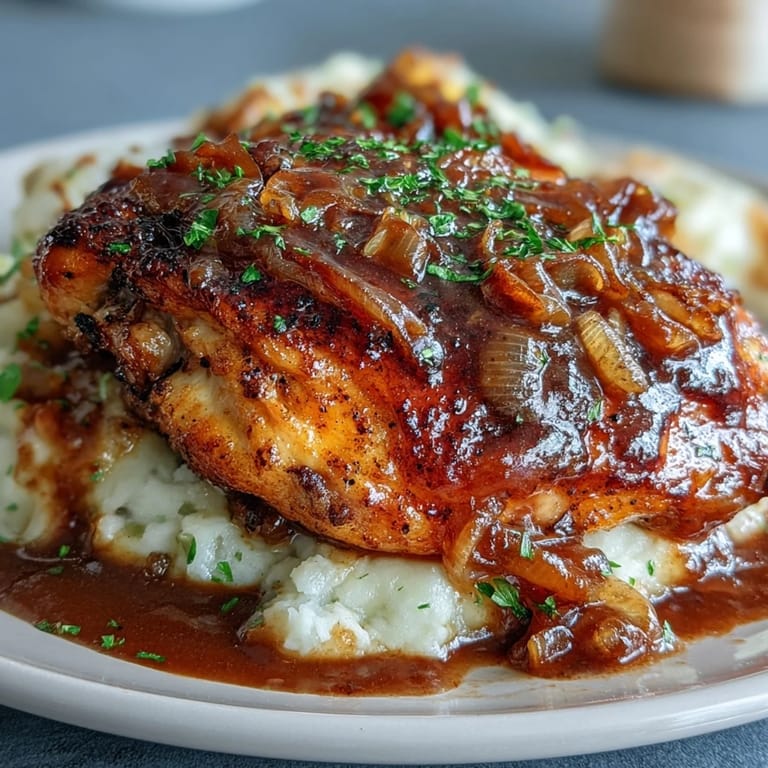
This dish becomes even better when it sits for ten minutes after cooking—the gravy thickens slightly and all the flavors settle into a kind of equilibrium. Serve it over creamy mashed potatoes or rice, which will soak up every drop of that liquid gold, or alongside collard greens if you want to go full Southern table.
- Make extra gravy because people will ask for it spooned over their sides too.
- If you're cooking for more people, double everything except the cooking times stay the same—just use a larger skillet or two skillets side by side.
- This keeps beautifully in the refrigerator for three days and actually improves as it sits.
 Save
Save This recipe lives in that perfect space between effort and ease, where the technique matters but the forgiving ingredients keep you from disaster. Cook it once and it becomes yours, the way it became my grandmother's.
Questions & Answers
- → What cut of chicken works best?
Bone-in, skin-on thighs and drumsticks provide juicy, flavorful meat that holds up well during simmering.
- → How is the onion gravy thickened?
Flour is browned with cooked onions before gradually adding chicken broth, which thickens the gravy as it simmers.
- → Can I use boneless chicken?
Yes, boneless skinless pieces can be used; just reduce simmering time by about 10 minutes to avoid overcooking.
- → What sides complement this dish?
Mashed potatoes, rice, or collard greens pair wonderfully to soak up the savory onion gravy.
- → How do I ensure crispy skin?
Pan-fry chicken skin-side down first over medium heat until golden brown before simmering in gravy.