 Save
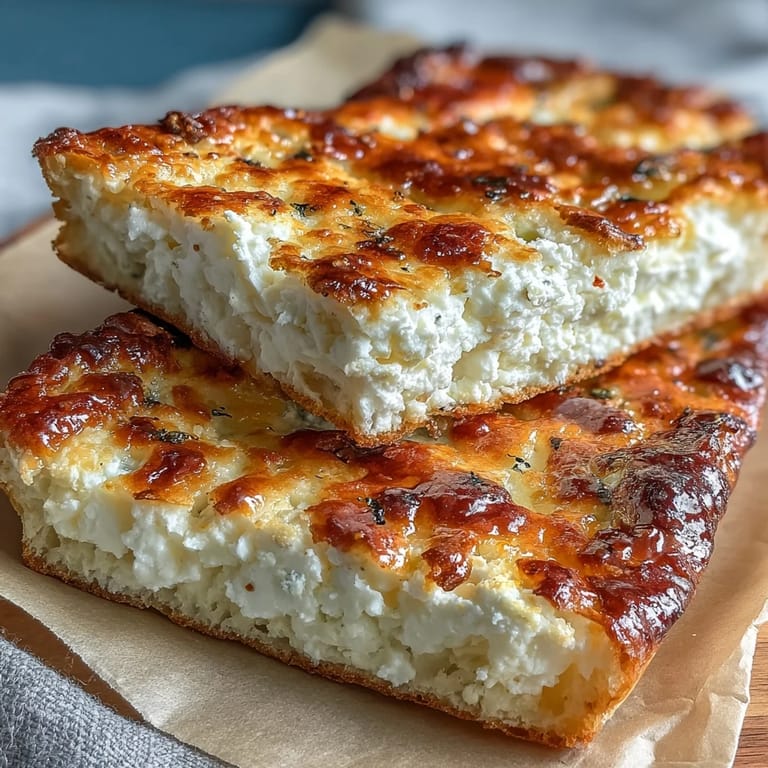
Save The first time I stumbled upon cottage cheese flatbread, it was one of those late-night scrolls through food reels where something so simple just hooks your curiosity. I can still recall the sizzle when I finally made it at home, the kitchen filling with a cozy aroma that instantly made plain old eggs and cottage cheese feel like something special. What drew me in wasn't just the hype but the gentle whirring of my blender as it worked its magic transforming humble ingredients into this glossy batter. A friend once joked that making this flatbread felt almost like a magic trick. Little did I know it would become my go-to base for snacks and impromptu lunches.
One sunny Saturday, I threw together a batch for a picnic sandwich and let my skeptical friend take the first bite. There was this momentary pause—the kind where you're just not sure—and then a big surprised smile. Since then, it's made appearances at small gatherings, always causing someone to ask, Wait, there's really no flour in this?
Ingredients
- Cottage cheese: Makes the base incredibly tender and is packed with protein—I've learned that full-fat gives a richer texture, but low-fat holds up well too.
- Eggs: Help bind the mixture, giving the flatbread its bendy, bread-like flexibility without any gluten—make sure they're at room temperature for the smoothest blending.
Tired of Takeout? 🥡
Get 10 meals you can make faster than delivery arrives. Seriously.
One email. No spam. Unsubscribe anytime.
Instructions
- Get the oven ready:
- Preheat your oven to 350°F (175°C) and line your baking sheet with parchment paper so nothing sticks.
- Make the batter:
- Blend cottage cheese and eggs together for about half a minute until there’s absolutely no lump left and the batter looks airy and light.
- Shape the flatbreads:
- Pour the batter onto your baking sheet and use a spatula to gently coax it into rounds or a big rectangle—aim for a quarter inch thick for the perfect balance of flexibility and bite.
- Bake until golden:
- Slide it into the oven and watch for a golden brown edge, 18 to 22 minutes, until the tops look set and you can lift them with ease.
- Cool and serve:
- Rest for a few minutes, then carefully peel each flatbread from the parchment—enjoy them warm or let them cool for easy wraps later.
- Store for later:
- Pop leftovers into an airtight container and stash in the fridge—they’re best within three days, but they reheat in seconds on a skillet.
 Save
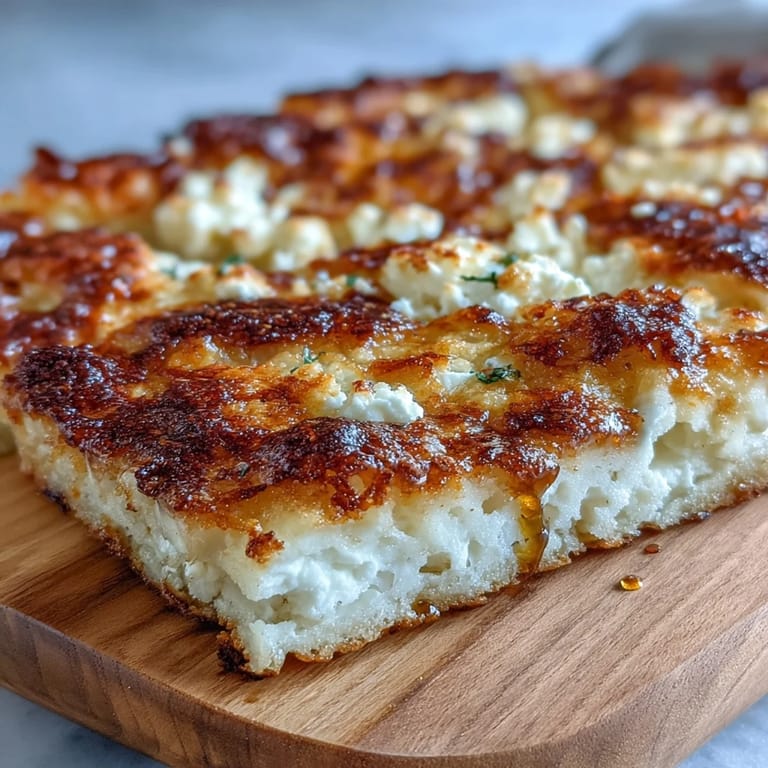
Save I remember my little one helping peel a warm flatbread off the paper, marveling at how stretchy it was—a moment that felt like a tiny shared kitchen victory more than just another meal.
Ways to Dress Up Your Flatbreads
After the first few times, I've played around with adding fresh herbs like dill or a sprinkle of garlic powder before baking. Each batch turns into something new just by switching up seasonings or tucking in a slice of cheese after reheating on a skillet. It’s become a playful base for everything from wraps with crisp veggies to pizza with bubbling mozzarella.
Troubleshooting Texture and Flexibility
If your flatbread comes out a bit crumbly or sticks, it's usually because it baked too little or you spread it a bit too thickly. Try making your rounds thinner and give them a minute or two more in the oven—you want to be able to fold them without breaking. Overmixing can help too, as the air makes the texture lighter and stretchier.
Storing & Reheating: What Works Best
Airtight containers are essential because these little flatbreads love to soak up fridge smells if left uncovered. In the morning, I quickly reheat mine in a dry frying pan for a few seconds—brings back flexibility without drying out. Avoid microwaving them too long or they lose their pleasant bite.
- Let flatbreads cool completely before stacking to prevent sticking.
- A sprinkle of water in the skillet can revive a too-firm flatbread.
- Label the container with a date so you know when they're freshest.
 Save
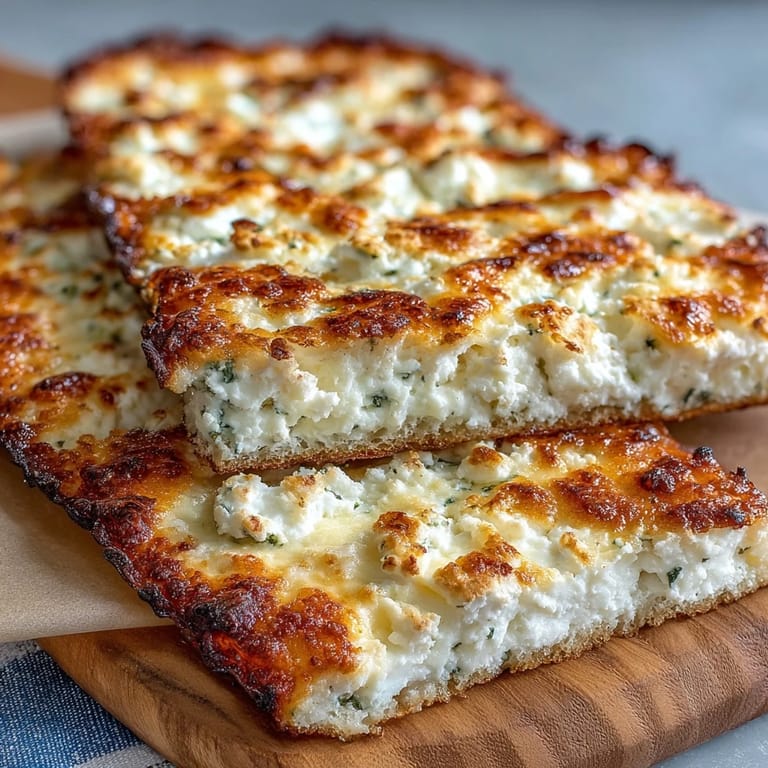
Save I hope you find as many creative ways to enjoy these flatbreads as I have—sometimes the simplest recipes open up the most possibilities. Happy snacking!
Questions & Answers
- → How smooth should the batter be?
Blend until completely smooth with no curds visible; a silky texture helps the batter spread evenly and bake into flexible flatbreads rather than crumbly pieces.
- → What thickness is best for flexible flatbreads?
Spread the mixture about 1/4 inch (6 mm) thick. Thinner rounds crisp more, while slightly thicker ones stay soft and pliable for folding and wrapping.
- → Can I add seasonings or herbs?
Yes. Stir in a pinch of salt, pepper, garlic powder, chopped herbs, or grated cheese into the batter before baking to boost flavor without changing technique.
- → How should leftovers be stored and reheated?
Cool completely, then keep in an airtight container in the fridge for up to 3 days. Reheat briefly in a hot skillet for best texture, or warm in the oven until pliable.
- → Is there a dairy-free alternative?
Use a dairy-free cottage cheese alternative if available, but texture and moisture will vary. You may need to adjust blending time or bake a little longer to set.
- → Can these be used as pizza bases or wraps?
Yes. Their mild flavor and flexible structure make them ideal as quick pizza bases, sandwich layers, or wraps—top or fill and warm briefly to meld flavors.