 Save
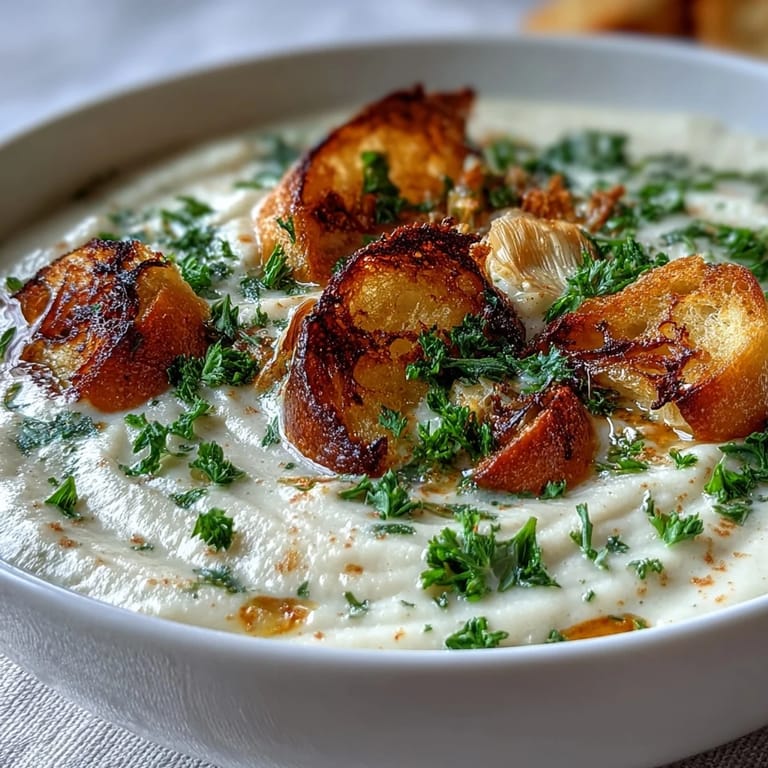
Save Last winter, I found myself standing in front of a grocery store display of garlic, completely mesmerized by how ordinary these papery bulbs could transform into something so surprisingly sweet and luxurious. A friend had mentioned roasted garlic soup in passing, and it stuck with me through a particularly dreary January week. When I finally made it, the whole apartment filled with this golden, caramelized aroma that felt almost impossible to have come from something so humble. That first spoonful was a revelation—nothing like the sharp bite of raw garlic, but instead this velvety, mellow warmth that seemed to melt into every corner of my tired bones.
I made this for my sister during one of those unexpected visits where she arrived looking completely worn down, and watching her face change after that first spoonful was worth every minute of prep time. She asked for the recipe immediately, which was funny because she usually dismisses my cooking ventures as too fussy. Now she makes it constantly, and it's become this inside joke between us about how something this simple could become such a staple in her rotation.
Ingredients
- Roasted Garlic (4 large heads): The star of the show, and the roasting is what makes all the magic happen—those 35-40 minutes in the oven transform sharp garlic into something with a honeyed, nutty depth that tastes nothing like raw garlic.
- Olive Oil (2 tablespoons for roasting): Coat those garlic heads generously so they get a light golden kiss in the oven; this helps them caramelize and develop that incredible flavor.
- Unsalted Butter (2 tablespoons): Builds the foundation of your soup base with a richness that makes every spoonful feel indulgent without being heavy.
- Yellow Onion (1 medium, finely chopped): The aromatic backbone that softens and sweetens as it cooks, creating depth without competing with the garlic.
- Russet Potato (1 large, peeled and diced): This is what gives the soup its signature velvety texture and body—trust the potato to do the heavy lifting.
- Low-Sodium Vegetable Broth (4 cups): Use vegetable broth to keep things clean and let the garlic flavor shine through without interference.
- Whole Milk or Plant-Based Alternative (1 cup): Stirred in at the end to add creaminess and smooth out any sharp edges, though it's really optional if you prefer a lighter version.
- Dried Thyme (1/2 teaspoon): Just enough to whisper earthiness into the background without announcing itself.
- Bay Leaf (1): Infuses the broth subtly as everything simmers; remember to fish it out before blending.
- Salt and Freshly Ground Black Pepper: These are your final adjustments for balance, so taste as you go and season boldly enough that the soup feels alive on your tongue.
- Fresh Parsley (2 tablespoons, chopped): A bright, grassy finish that cuts through the richness and makes each bowl feel complete.
Tired of Takeout? 🥡
Get 10 meals you can make faster than delivery arrives. Seriously.
One email. No spam. Unsubscribe anytime.
Instructions
- Prepare and roast the garlic:
- Preheat your oven to 400°F and slice just the tops off those garlic heads to expose the cloves underneath. Drizzle generously with olive oil, wrap everything tightly in foil, and slide into the oven for 35-40 minutes until the cloves are soft enough to squeeze right out of their skins and the kitchen smells absolutely incredible.
- Build the base:
- Melt butter in a large pot over medium heat, then add your finely chopped onion and let it go translucent and sweet, about 5 minutes. This is the quiet moment before things get interesting, and you'll notice the butter foaming slightly as the onion softens.
- Combine everything:
- Add your diced potato, the squeezed roasted garlic cloves, thyme, bay leaf, and vegetable broth all at once. Bring it to a boil, then turn the heat down and let it simmer gently for about 15 minutes until the potatoes are tender enough to break apart with a wooden spoon.
- Blend until silky:
- Fish out that bay leaf, then use an immersion blender to purée everything into a smooth, creamy consistency, or carefully transfer to a blender in batches if that's your preference. The transformation is almost magical—one moment you have chunks and broth, the next you have something that feels like velvet.
- Add the milk and finish:
- Pour the soup back into the pot if you used a blender, then stir in your milk slowly and heat everything gently just until it's warmed through. Taste it now and season with salt and pepper until it feels bright and complete on your tongue.
- Serve and celebrate:
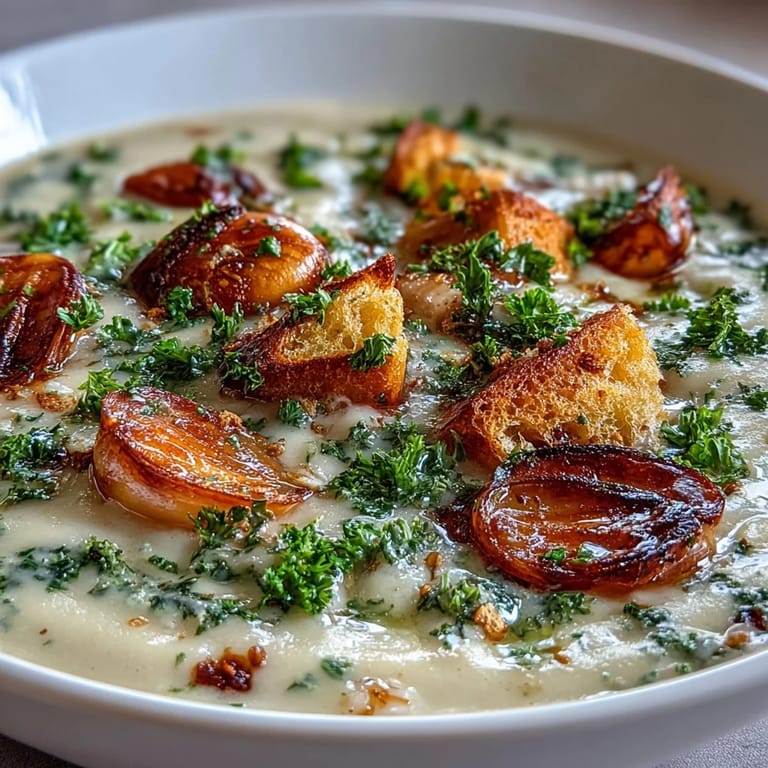
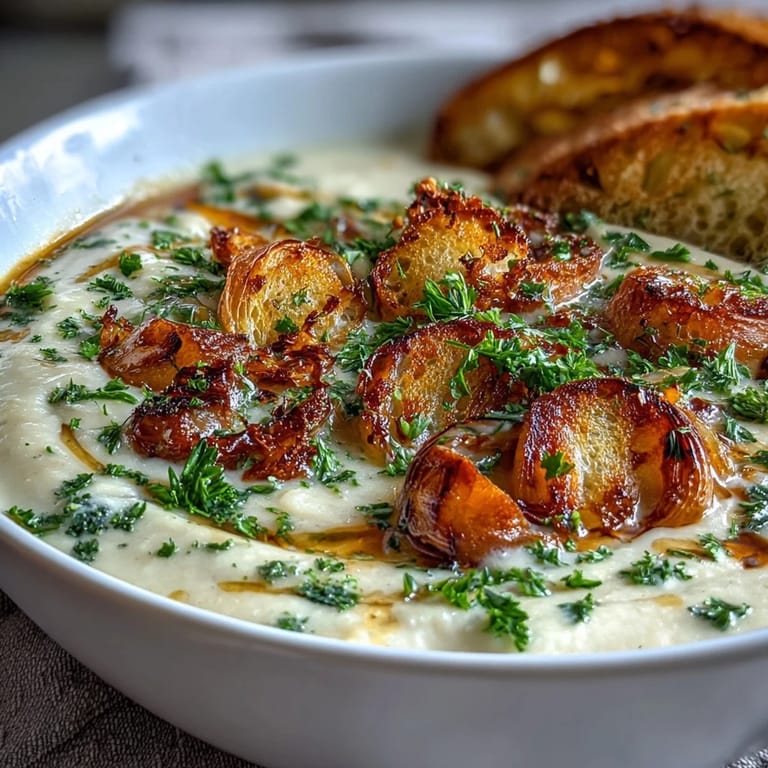
- Ladle into bowls and scatter fresh parsley over top, maybe add some croutons or toasted bread if you want that textural contrast. Take a moment to actually enjoy this—you made something beautiful from just garlic and a few simple things.
 Save
Save There was this one rainy afternoon when I made this soup and my neighbor knocked on my door asking if something was wrong because the smell coming from my apartment was so intense and delicious she thought maybe I was hosting some kind of dinner party. I ended up giving her a bowl, and we sat in my tiny kitchen eating in complete silence, which for us was saying something. That's when I realized this soup had crossed over from just being dinner into being the kind of food that makes people pause.
The Magic of Roasted Garlic
Raw garlic can feel aggressive, almost hostile to some people, but roasting it is like watching a completely different ingredient emerge from the oven. The heat breaks down the sulfur compounds that make garlic sharp, and instead develops sugars that caramelize and turn golden. What you end up with is something that tastes almost sweet, with a mellow nuttiness that makes you wonder why you spent so many years being intimidated by garlic in the first place.
Why Potatoes Matter Here
The russet potato isn't just filling space in this soup—it's the secret to getting that naturally creamy texture without needing to add heavy cream or any fancy techniques. As it simmers, the potato starches release into the broth and help thicken everything naturally, which means you get that luxurious mouthfeel just from the vegetables themselves. I've tried skipping the potato to save time, and the result was always somehow less satisfying, thinner, like the soup was missing its anchor.
Timing and Temperature
One thing that took me a few attempts to get right was understanding that this soup wants patience at the end—after you blend it and add the milk, you're not looking to boil it again, just warm it gently. High heat at that point can make the milk separate and the texture turn grainy, which is the opposite of what you're going for. The whole thing should feel like a warm hug, not like you're cooking it into submission.
- If you're making this ahead, roast the garlic the day before and store it covered in the fridge to save yourself time.
- The soup actually tastes better the next day when all the flavors have had time to get to know each other and settle in.
- You can freeze this soup for up to three months, though add fresh parsley after thawing for the brightest finish.
 Save
Save This soup has become my reliable comfort when I need something that feels both simple and special, and there's something deeply satisfying about serving a bowl of something so elegant that came together in just over an hour. Give it a try and let it surprise you with how something so straightforward can taste so completely rewarding.
Questions & Answers
- → What does roasted garlic soup taste like?
The roasting process transforms sharp raw garlic into something sweet, mellow, and nutty. The resulting soup offers subtle earthiness with creamy undertones rather than pungent garlic flavor.
- → Can I make this dairy-free?
Absolutely. Simply substitute plant-based butter and your preferred unsweetened milk alternative. The texture remains equally velvety and satisfying.
- → How long does roasted garlic keep?
You can roast the garlic heads up to three days ahead. Store them in an airtight container in the refrigerator until ready to use.
- → What type of potato works best?
Russet or Yukon Gold potatoes are ideal for their high starch content, which creates natural creaminess when blended. Avoid waxy varieties that won't break down properly.
- → Can I freeze this soup?
Yes, this freezes beautifully for up to three months. Thaw overnight in the refrigerator and reheat gently, adding a splash of milk if needed to restore consistency.