 Save
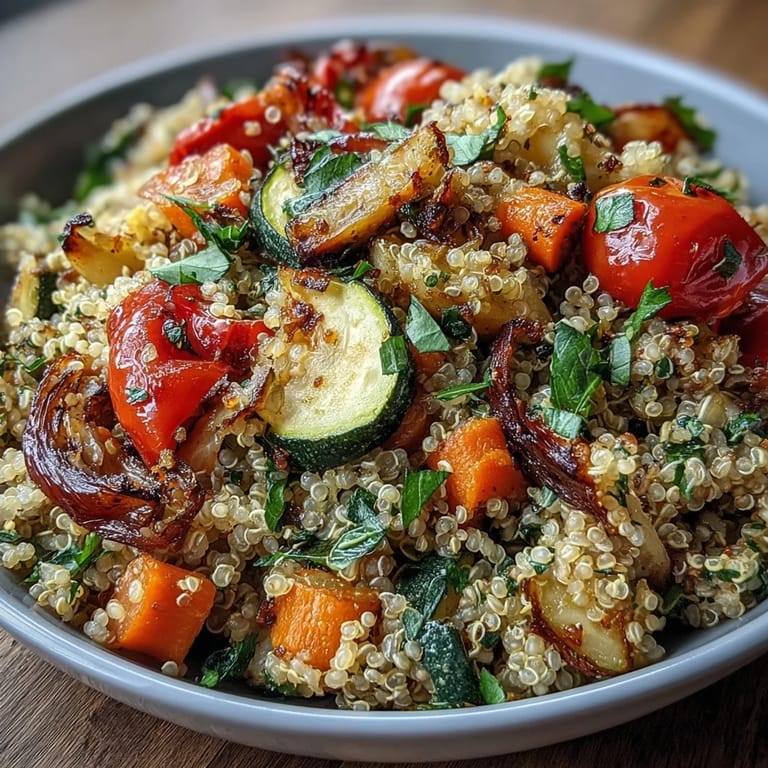
Save I discovered quinoa pilaf by accident on a Tuesday when my farmers market haul looked more impressive than my dinner plan. The vendor had handed me a bunch of vegetables I'd never intentionally chosen before, and somehow mixing them with this nutty grain felt like the only logical thing to do. That first bowl, warm and tossed with lemon and fresh herbs, tasted like I'd actually planned something instead of improvised it. Now I make it whenever I want to feel both nourished and inspired without spending hours in the kitchen.
I made this for a potluck once and watched people reach for seconds without asking what was in it, which felt like a quiet victory. Someone even asked if it had butter in it because it tasted so rich, and I got to tell them it was just good vegetables and lemon doing the work. That's when I realized this pilaf doesn't need to apologize for being plant-based or healthy.
Ingredients
- Quinoa, rinsed: Rinsing removes the bitter coating and makes a difference you'll actually taste, something I learned the hard way with my first batch.
- Vegetable broth or water: Broth gives you a gentler flavor foundation, but water works fine if you're using robust spices and vegetables.
- Red bell pepper, diced: The sweetness balances the earthier vegetables and adds a pop of color that makes the dish feel celebratory.
- Zucchini, diced: It roasts into tender, almost creamy pieces that contrast beautifully with the firmer vegetables.
- Carrot, peeled and diced: Keep the pieces small so they roast through in the same time as everything else and don't turn tough.
- Red onion, diced: The natural sugars caramelize slightly during roasting, adding depth you won't find with milder onions.
- Cherry tomatoes, halved: They burst slightly in the heat and release their juices, creating little pockets of brightness throughout the pilaf.
- Olive oil: Use something you actually enjoy tasting, since it's one of the few fats holding this together.
- Garlic, minced: The brief sauté mellows it just enough so it's aromatic without overpowering everything else.
- Ground cumin: This is the spice that makes people ask what your secret ingredient is, so don't skip it.
- Dried thyme: It adds an herbaceous note that feels almost elegant without requiring fresh herbs in the dry spice section.
- Smoked paprika: This is where the pilaf gets its warmth and a hint of mystery that makes simple vegetables feel sophisticated.
- Salt and freshly ground black pepper: Taste as you go, especially after adding the lemon, because brightness changes what your palate needs.
- Fresh parsley, chopped: Add it at the end so it stays vibrant and gives you those clean, grassy notes that wake up the whole dish.
- Fresh mint, chopped: Optional, but it adds a coolness that feels especially nice if you're serving this warm on a summer evening.
- Lemon juice: This is non-negotiable, the thing that transforms a pile of ingredients into something that tastes intentional and complete.
Tired of Takeout? 🥡
Get 10 meals you can make faster than delivery arrives. Seriously.
One email. No spam. Unsubscribe anytime.
Instructions
- Heat your oven and prepare the vegetables:
- Set the oven to 425°F and while it's warming, get your vegetables cut into roughly same-sized pieces so they roast evenly. Don't overthink the size, just aim for consistent so nothing burns before something else is done.
- Toss and roast:
- Spread your diced vegetables on a baking sheet, drizzle generously with olive oil, season with salt and pepper, and roast for 20 to 25 minutes, stirring once halfway through. You'll know they're ready when the edges start turning golden and caramelized, and your kitchen smells like something special.
- Cook the quinoa while vegetables roast:
- Rinse your quinoa under cold water first, then combine it with vegetable broth in a saucepan and bring to a boil. Reduce the heat, cover, and simmer for 15 minutes until the liquid is absorbed, then let it sit covered for 5 minutes off the heat.
- Fluff and infuse with aromatics:
- Use a fork to gently fluff the quinoa, then heat a small drizzle of olive oil in a large skillet over medium heat. Add minced garlic and let it sizzle for about 30 seconds until fragrant, then stir in the cumin, thyme, and smoked paprika so the spices toast slightly and release their oils.
- Combine everything with warmth:
- Add your cooked quinoa and roasted vegetables to the skillet with the spiced oil and toss everything together gently, letting it warm through for a minute or two. This is when the different textures and flavors start becoming one cohesive dish instead of separate components.
- Finish with brightness:
- Remove from heat and scatter the fresh parsley and mint over top, squeeze in the lemon juice, and toss one final time. Taste and adjust the salt, pepper, or lemon to your preference because every batch is slightly different depending on your vegetables.
- Serve and enjoy:
- You can eat this warm straight from the skillet or let it cool to room temperature, where it actually tastes even better as everything settles together. Either way, it's complete enough to stand on its own or serve alongside grilled fish or chicken if you want to add protein.
 Save
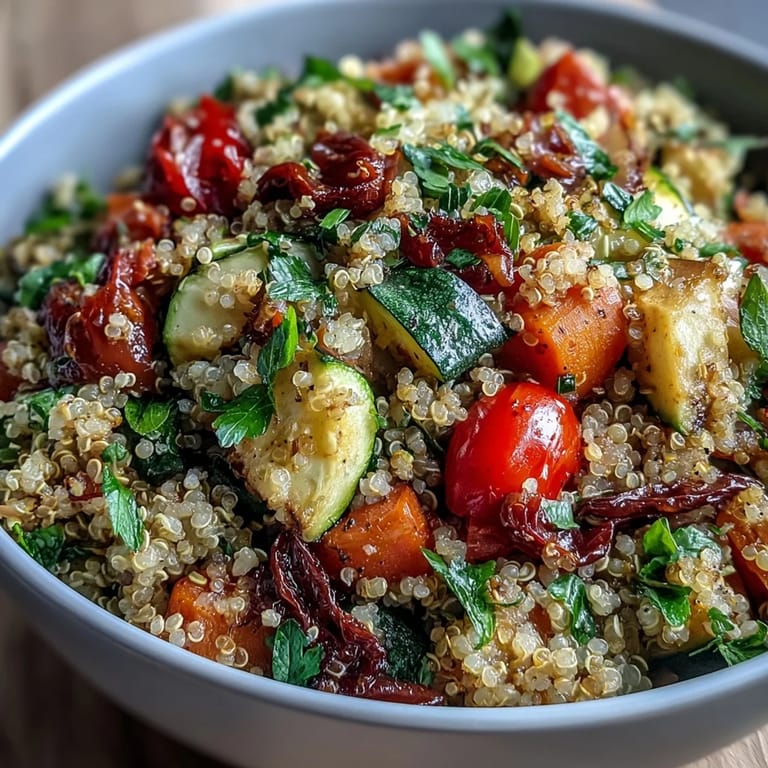
Save There was a moment when a friend who usually grabs takeout asked for my recipe, and I realized this pilaf had quietly become the kind of dish that makes people feel cared for without any fuss. It's the food equivalent of a good conversation, nourishing without demanding anything complicated in return.
Why Vegetables Matter Here
The magic of this dish isn't hidden in some complicated technique, it's in letting good vegetables be themselves through roasting. When you caramelize them first, they develop this deep, almost sweet flavor that makes the whole pilaf taste richer than it actually is. I learned this when I once tried to save time by not roasting them and just stirring raw vegetables in, and the result felt flat no matter how many spices I added.
Seasonal Flexibility
One of my favorite things about this recipe is how it adapts to whatever season has to offer. In fall, I roast chunks of butternut squash and add dried cranberries, in spring I use asparagus and fresh herbs, and in summer I let the cherry tomatoes shine with barely any other vegetables. The structure stays the same, but the dish becomes something entirely different depending on when you make it.
Making It Your Own
This pilaf is genuinely forgiving when it comes to substitutions and personal preferences. I've made it with chickpeas for extra protein, added crumbled feta when I wasn't aiming for vegan, and even threw in handfuls of kale or spinach at the end when I had them on hand. The base is strong enough to handle whatever you add, which is why it's become my go-to recipe when I want something that feels both intentional and flexible.
- Swap any vegetables based on what you have or what's in season, keeping the quantities roughly the same so the cooking times don't shift wildly.
- Add a can of drained chickpeas or white beans if you want more protein and substance without changing the fundamental flavor profile.
- Crumbled feta, sunflower seeds, or toasted nuts add texture and richness if you want to make it feel more indulgent.
 Save
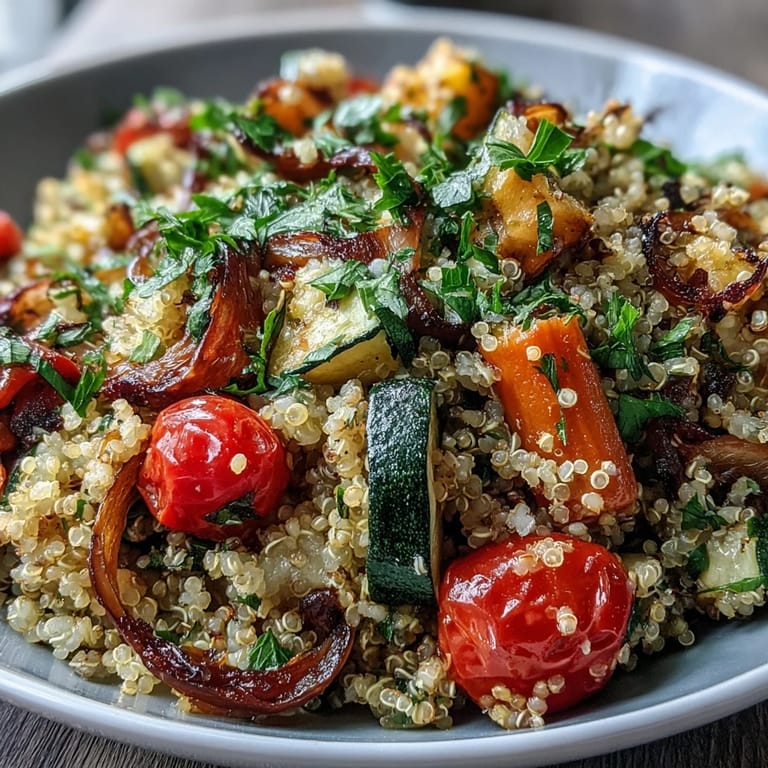
Save This quinoa pilaf has become my reliable friend in the kitchen, the thing I make when I want to feel both nourished and inspired without complications. It's the kind of recipe that whispers rather than shouts, and somehow that's exactly what makes it memorable.
Questions & Answers
- → Can I make this ahead of time?
Absolutely. The pilaf keeps well for 3-4 days refrigerated. Store in an airtight container and reheat gently with a splash of water or broth to refresh the grains.
- → What vegetables work best?
Roast hearty vegetables that hold their shape well. Bell peppers, zucchini, carrots, onions, and cherry tomatoes are excellent. Feel free to add squash, eggplant, or broccoli based on what's in season.
- → How do I prevent mushy quinoa?
Rinse quinoa thoroughly before cooking to remove bitter coating. Use the proper 1:2 ratio of quinoa to liquid. Let it stand covered for 5 minutes after cooking before fluffing with a fork.
- → Can I add protein?
Definitely. Stir in drained chickpeas during the final toss, or top with crumbled feta, grilled chicken, or roasted chickpeas for extra substance and protein.
- → Is this suitable for meal prep?
Yes, it's perfect for meal prep. Portion into containers and refrigerate. The flavors actually improve overnight as the spices meld with the vegetables and grains.