 Save
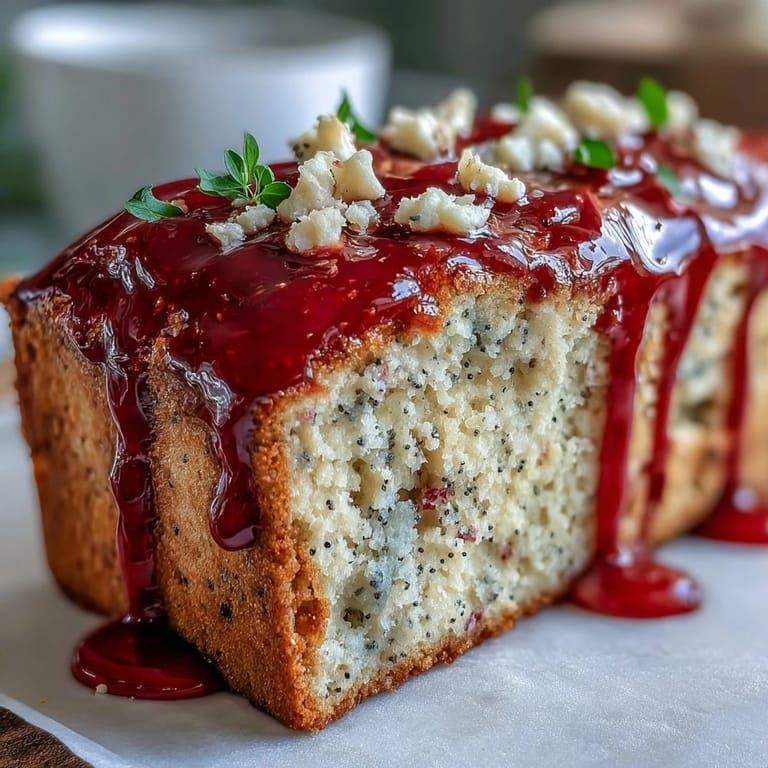
Save The first blood oranges showed up at the farmers market in early February, their deep crimson flesh almost shocking against the gray winter morning. I bought a whole bag on impulse, drawn to their jewel-like color and the promise of something different. Back home, I zested one and the scent filled the kitchen—bright, floral, almost berry-like. That afternoon, I baked this loaf, and when I sliced into it, the crumb was stained pink and gold, studded with poppy seeds like tiny constellations.
I made this for a friend who was going through a rough patch, wrapped it in parchment and twine, and left it on her porch with a thermos of tea. She texted me later that night—just a photo of an empty plate and three heart emojis. Sometimes a cake doesnt need words. It just needs to taste like someone cared enough to grate marzipan by hand and wait for the glaze to set.
Ingredients
- All-purpose flour: The backbone of the crumb, giving structure without heaviness—sift it if you want an even lighter texture.
- Baking powder: Creates a gentle rise and keeps the loaf tender, not dense.
- Salt: Just a pinch sharpens the sweetness and brings out the blood orange brightness.
- Poppy seeds: They add visual drama and a subtle, earthy crunch that contrasts with the soft marzipan.
- Unsalted butter: Use softened, not melted—it whips into the sugar to create air pockets that make the cake light.
- Granulated sugar: Sweetens and helps the batter hold moisture, keeping the loaf fresh for days.
- Blood orange zest: This is where the magic lives—zest releases aromatic oils that perfume every bite.
- Eggs: Room temperature eggs blend smoothly and create a silky, even batter.
- Marzipan: Grate it coarsely so it melts into sweet almond pockets throughout the loaf.
- Blood orange juice: Freshly squeezed is best—it adds acidity and that signature ruby hue.
- Whole milk: Balances the tartness and keeps the crumb moist and tender.
- Vanilla extract: A quiet background note that rounds out the citrus without competing.
- Powdered sugar: Dissolves instantly into the glaze, creating a smooth, pourable finish.
Tired of Takeout? 🥡
Get 10 meals you can make faster than delivery arrives. Seriously.
One email. No spam. Unsubscribe anytime.
Instructions
- Prep the Pan:
- Preheat your oven to 175°C and line a 9x5-inch loaf pan with parchment, leaving overhang on the sides for easy lifting. Grease the parchment lightly so nothing sticks.
- Mix the Dry Ingredients:
- Whisk together flour, baking powder, salt, and poppy seeds in a medium bowl. Set it aside—youll fold this in gently later to avoid a tough crumb.
- Cream Butter and Sugar:
- Beat softened butter, sugar, and blood orange zest until pale and fluffy, about three minutes. The zest will release its oils into the butter, perfuming the whole batter.
- Add Eggs:
- Beat in eggs one at a time, letting each one blend completely before adding the next. The mixture should look glossy and smooth, not curdled.
- Fold in Marzipan:
- Gently fold in grated marzipan until evenly distributed. Youll see little flecks of pale gold throughout the batter.
- Combine Wet Ingredients:
- Whisk together blood orange juice, milk, and vanilla in a measuring cup. The juice will be a deep, crimson red.
- Alternate Dry and Wet:
- Add the flour mixture in three parts, alternating with the juice mixture, starting and ending with flour. Mix just until combined—overmixing makes the cake dense.
- Bake the Loaf:
- Pour batter into the prepared pan, smooth the top, and bake for 45 to 55 minutes. A toothpick inserted in the center should come out with just a few moist crumbs clinging to it.
- Cool Completely:
- Let the loaf cool in the pan for ten minutes, then lift it out using the parchment overhang and transfer to a wire rack. Patience here prevents a soggy bottom.
- Glaze and Finish:
- Whisk powdered sugar with blood orange juice until smooth and pourable, then drizzle over the cooled loaf. Let the glaze set for about fifteen minutes before slicing.
 Save
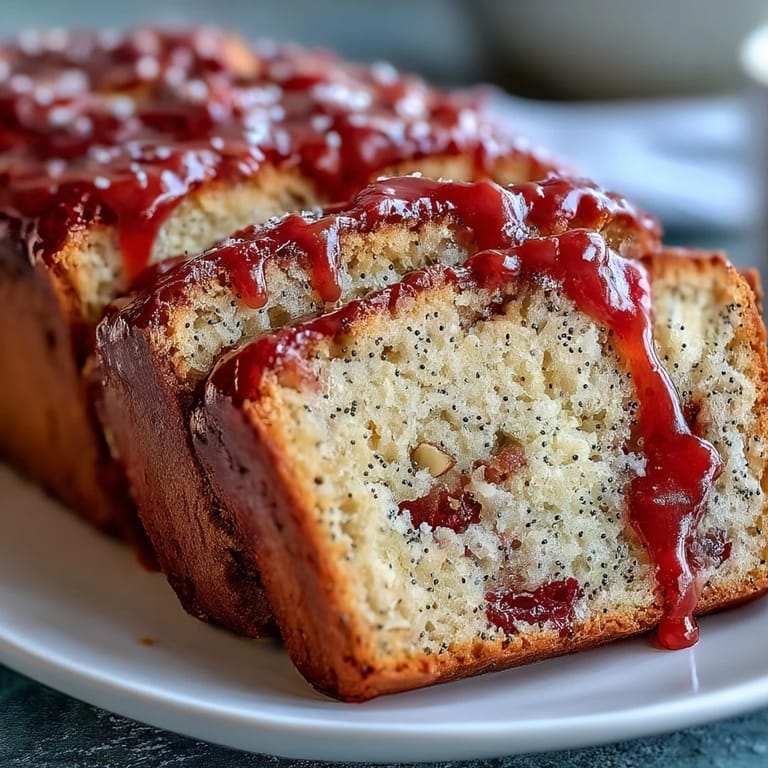
Save I served this at a spring brunch, sliced thin and arranged on a white platter with fresh mint sprigs tucked between the pieces. People kept asking what made it so moist, and I told them about the marzipan trick. One guest went home and texted me from the grocery store, asking which brand I used. That felt like the highest compliment—someone wanting to recreate a moment at their own table.
Storing and Serving
This loaf keeps beautifully at room temperature in an airtight container for up to three days, the crumb staying tender thanks to the marzipan and milk. Wrap individual slices in parchment and freeze them for up to a month—theyll thaw in minutes on the counter. I like to serve this with strong black tea or a glass of chilled Prosecco, the bubbles cutting through the sweetness. If youre feeling fancy, add a dollop of mascarpone whipped with a touch of honey on the side.
Customizing Your Loaf
If blood oranges arent in season, regular oranges work fine, though youll lose that stunning pink hue. A splash of orange liqueur in the glaze—Grand Marnier or Cointreau—adds a grown-up edge that pairs beautifully with the almond notes. You can swap marzipan for almond paste if you want a deeper, less sweet almond flavor, or fold in a handful of chopped pistachios for color and crunch. I once added a tablespoon of rose water to the batter and it turned floral and dreamy, perfect for a bridal shower.
Troubleshooting and Tips
If your loaf domes too much in the center, your oven might be running hot—use an oven thermometer to check. A crack down the middle is normal for loaf cakes and actually looks rustic and charming. If the top browns too quickly, tent it loosely with foil halfway through baking. The glaze should be thick enough to coat the back of a spoon but still drip slowly—add juice or sugar a teaspoon at a time to adjust.
- Zest the oranges before juicing them—its nearly impossible to zest a juiced orange.
- Let the loaf cool completely before glazing or the icing will melt and soak in instead of setting.
- Use a serrated knife for clean slices, wiping the blade between cuts for neat edges.
 Save
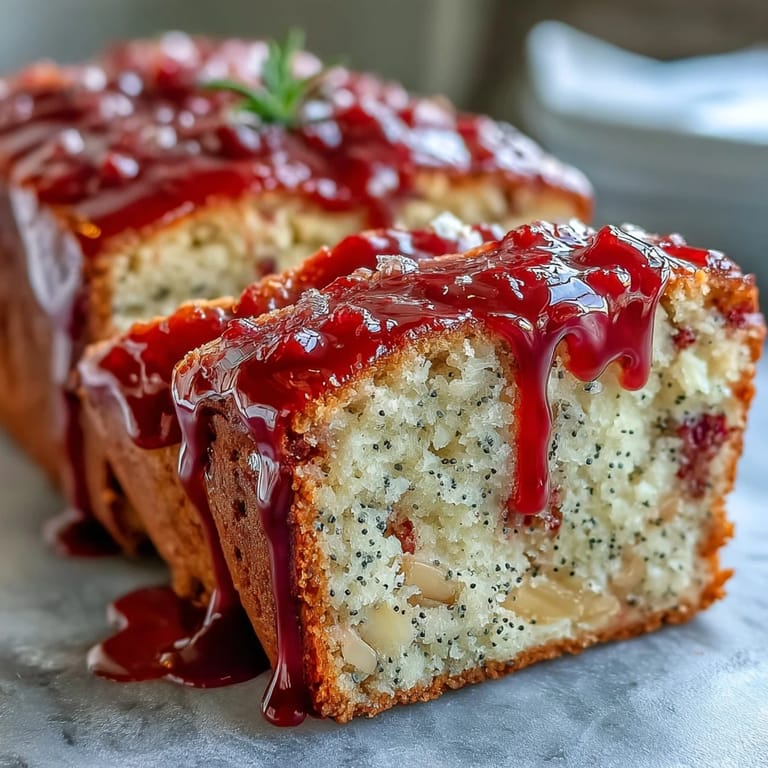
Save This cake has become my go-to when I want to feel like winter is ending, even if snow is still on the ground. The ruby glaze catches the light, the poppy seeds add little whispers of crunch, and every slice tastes like a small celebration.
Questions & Answers
- → Can I use regular oranges instead of blood oranges?
Yes, you can substitute regular oranges, though you'll lose the distinctive ruby color and slightly berry-like flavor. The cake will still be delicious with bright citrus notes.
- → How do I know when the loaf cake is done baking?
Insert a toothpick into the center of the cake—if it comes out clean or with just a few moist crumbs, it's ready. The top should be golden and spring back when gently pressed.
- → Can I make this cake ahead of time?
Absolutely! This loaf cake actually tastes better the next day as the flavors meld. Store it in an airtight container at room temperature for up to 3 days, or freeze for up to 3 months.
- → What can I substitute for marzipan?
Almond paste works wonderfully as a substitute, offering a deeper almond flavor. You can also use finely ground almonds mixed with a bit of powdered sugar if needed.
- → How should I store leftover cake?
Keep the cake in an airtight container at room temperature for 2-3 days. If glazed, wait until the glaze sets completely before covering to prevent sticking.
- → Can I add alcohol to this cake?
Yes! A splash of Grand Marnier, Cointreau, or other orange liqueur in the glaze adds sophisticated depth. You can also brush the warm cake with liqueur before glazing.