 Save
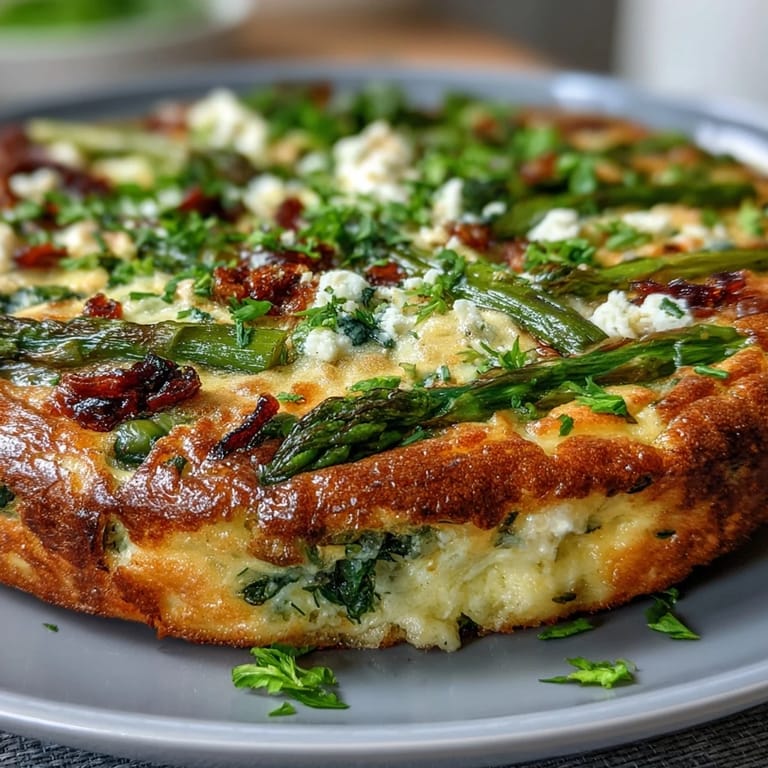
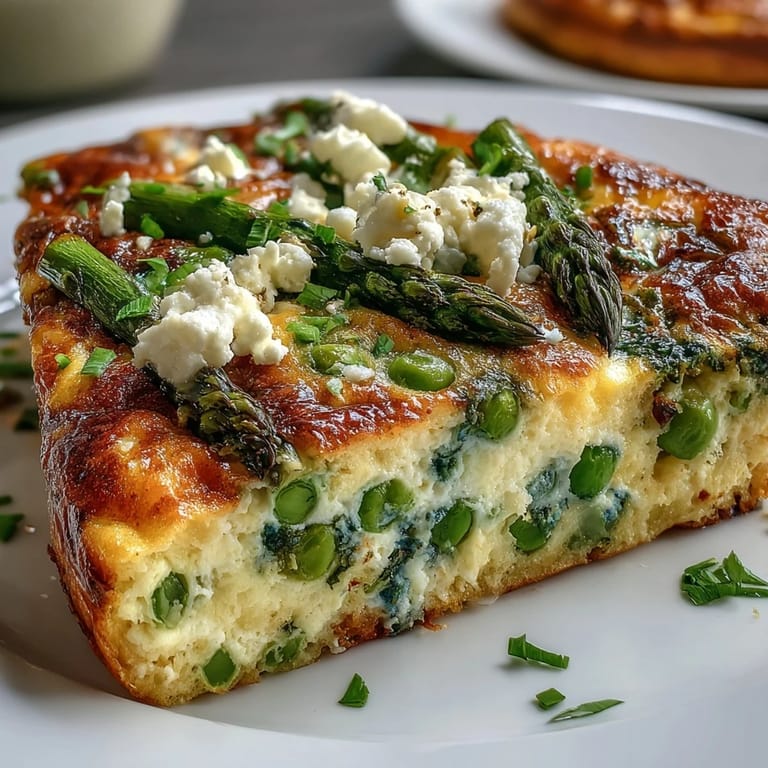
Save The melodic sound of birds was filtering through the kitchen window when I tried this spring frittata for the first time. The vegetables came straight from the local market, still cool from the morning air, and the feeling of anticipation for the meal was unmistakable. While cracking eggs, I noticed their yolks were almost golden, a sign they would make the frittata lush and rich. My curiosity about goat cheese had me crumbling it with cautious fingers, wondering how its tang would blend with tender greens. The whole process felt like stitching together a patchwork quilt from the freshest threads of the season.
One afternoon, sharing this frittata with friends became an impromptu celebration: laughter echoed off the walls as everyone reached for seconds. It was early spring, and the dish became an edible centerpiece, colorful and cheerful, with goat cheese melting just enough to create little pockets of creamy surprise. Even the skeptical spinach haters were won over after their first bite. We watched steam rise as slices were served, and I remembered how cooking together made the kitchen feel fuller somehow. That day, the recipe transformed into a tradition without anyone even realizing it.
Ingredients
- Asparagus: Snapping off the woody ends makes the stalks tender and ensures a clean bite every time.
- Fresh or frozen peas: A quick rinse keeps frozen peas green and prevents them from clumping in the pan.
- Baby spinach: Chopping it roughly stops big leaves from clinging together and turns wilted greens into a pleasant texture.
- Spring onions: Their mild flavor brings a gentle sweetness and a crunchy contrast to the softer veggies.
- Eggs: Room temperature eggs blend more smoothly and help the frittata puff nicely in the oven.
- Whole milk or cream: Cream gives richer body, but milk works for a lighter result—both make the eggs silkier.
- Goat cheese: Crumbling it just before baking keeps its flavor bright and prevents it dissolving into the eggs.
- Unsalted butter: Melting butter in the pan allows the edges to crisp while keeping the interior moist.
- Fresh chives: They lend a delicate onion flavor and add a pop of color when sprinkled over the frittata.
- Dill or parsley: A handful brings garden-fresh fragrance, and swapping parsley for dill can completely change the personality of the dish.
- Salt and freshly ground black pepper: Seasoning just before baking invites flavors to bloom as the eggs set.
Tired of Takeout? 🥡
Get 10 meals you can make faster than delivery arrives. Seriously.
One email. No spam. Unsubscribe anytime.
Instructions
- Get the Oven Ready
- Slide the rack into the middle position and preheat the oven to 375°F (190°C) so it's perfectly hot when your frittata is ready to bake.
- Prepare the Spring Veggies
- Melt the butter in an oven-safe skillet over medium heat until it smells warm and nutty, then add asparagus and cook until barely tender. Toss in the peas and spring onions, stirring gently for a few minutes until they turn bright and soft. Stir in the spinach, letting it wilt and mingle with the other vegetables.
- Mix the Egg Base
- In a roomy bowl, whisk the eggs, milk or cream, chives, chosen herb, salt, and pepper until frothy and well mixed—the mixture should feel airy.
- Combine Eggs and Veggies
- Pour the whisked eggs evenly over the vegetables in the skillet, and let them cook undisturbed for about 3–4 minutes, watching for the edges to begin setting and the center to remain slightly runny.
- Add Goat Cheese and Bake
- Sprinkle goat cheese generously on top, then slide the pan into your preheated oven. Bake until the frittata is puffed, golden, and just set in the center, about 10–12 minutes.
- Rest and Serve
- Remove the skillet from the oven, let the frittata cool for five minutes, then slice and serve while still warm or at room temperature.
 Save
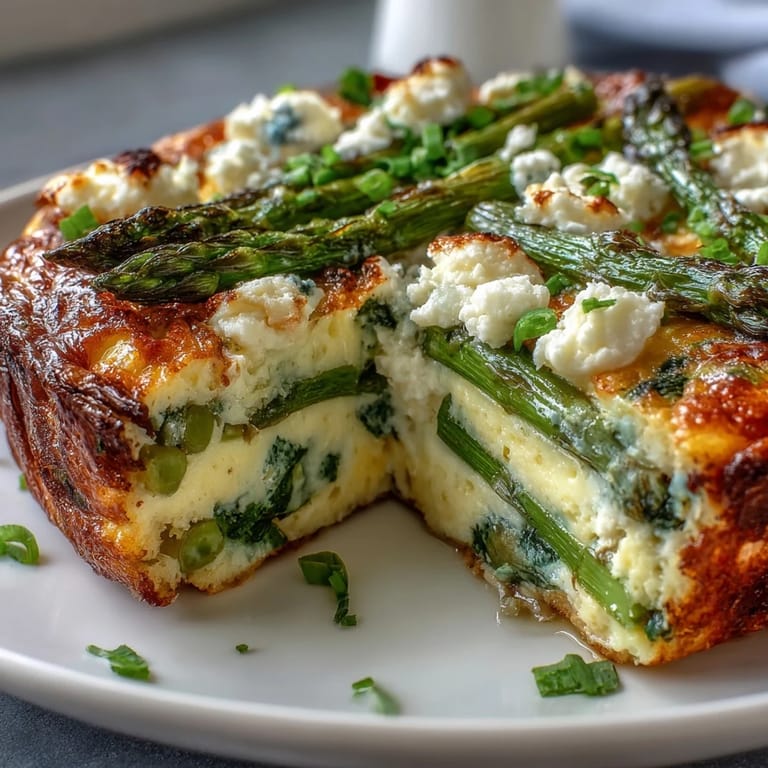
Save When my cousin visited unexpectedly, I whipped up this frittata and we sat out on the porch with two cups of coffee. The sun caught the goat cheese just right, making it glisten, and her delighted reaction made the simple lunch feel like a small victory. That meal became less about food and more about sharing a spontaneous moment. The frittata, warm and inviting, brought us together in a way that felt effortless. It’s my go-to whenever I want to turn an ordinary morning into something memorable.
Brunch Table Stories
My favorite kitchen moment with this frittata happened when we served it with crusty bread and sparkling water—everyone started making their own little open-faced sandwiches. Someone sprinkled extra chives over the top, and another added a dash of hot sauce, proving the recipe encourages playful invention. I realized how versatile the dish is, able to adapt to picky eaters or creative cooks alike. The light, herby aroma always gets the conversation flowing and reminds me food can be both beautiful and unfussy. Serving style changes everything, but the dish always shines.
Substitution Smarts
If you're out of goat cheese, feta works just as well, and for dairy-free guests, vegan cheese or a splash of plant milk are perfect substitutes. The asparagus can easily be swapped for zucchini or even artichoke hearts, depending on what's freshest. I learned that changing up the vegetables keeps the recipe feeling new every time. It’s a forgiving base for what’s on hand in the pantry or garden. You can always make it your own and surprise yourself with an unexpected combination.
Last Minute Prep Tips
The frittata is at its best when you whisk the eggs with intent—really aerate them for fluffiness. A good nonstick skillet is crucial; it lets you lift the frittata out without drama. Timing is everything since overcooking leads to rubbery eggs, so stay nearby as it bakes and let your nose guide you towards that savory, slightly sweet scent.
- Let the frittata cool before slicing so it holds its shape.
- Add goat cheese just before baking for pockets of flavor.
- Season generously, as the eggs mellow out salt and herbs.
 Save
Save After sharing the frittata with someone new, it still feels like a gift. Whether for brunch or a light supper, each slice is proof that spring tastes best when cooked together.
Questions & Answers
- → Can I use frozen peas instead of fresh?
Yes, frozen peas work well. Add them directly to the skillet and sauté until heated through.
- → How do I make this dairy-free?
Substitute whole milk with plant-based alternatives and use vegan cheese or omit goat cheese entirely.
- → What herbs complement the frittata?
Fresh chives, dill, or parsley add flavor. Customize with basil or tarragon for a unique twist.
- → What pan is best for cooking?
An oven-safe nonstick skillet (10–12 inches) ensures even cooking and easy transfer to the oven.
- → Can this dish be served cold?
Yes, it tastes great at room temperature and is perfect for picnics or meal prep.
- → What sides pair well?
Serve with a green salad, crusty bread, or sparkling water with lemon for a refreshing touch.