 Save
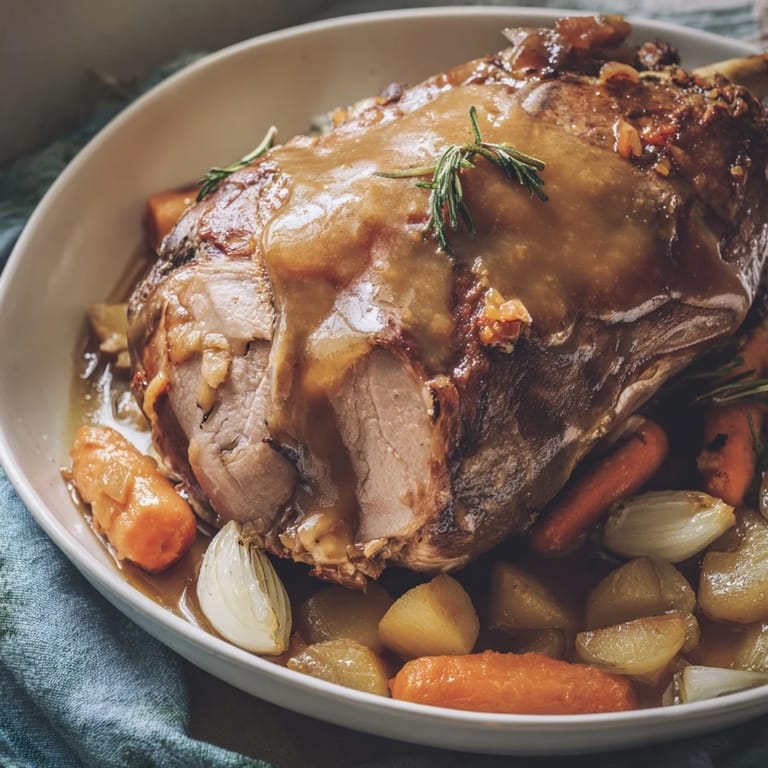
Save The smell hit me before I even opened the oven door—rosemary and wine mingling with something deep and meaty that made my mouth water instantly. I was hosting my first proper holiday dinner, nervous and determined, and these lamb shanks were my gamble. When I lifted the lid and saw the meat practically sliding off the bone, I knew I'd stumbled onto something worth keeping.
I made this for my in-laws the winter they visited from out of town, unsure if they'd appreciate my attempt at something fancy. My father-in-law, a man of few words, went back for seconds without asking. My mother-in-law quietly requested the recipe before dessert, and I realized I'd just earned a spot in the family rotation.
Ingredients
- Lamb shanks: Look for shanks with a good amount of meat and minimal excess fat; the slow roast will render what remains into silky richness.
- Carrots and celery: These become sweet and tender, soaking up all the savory juices, so don't skip them even if you're tempted.
- Onion and garlic: They melt into the braising liquid, adding a subtle sweetness that balances the wine's acidity.
- Fresh rosemary and thyme: Dried herbs won't give you the same fragrant, woodsy aroma that fills your kitchen and makes everyone ask what's cooking.
- Red wine: Use something you'd actually drink; the flavor concentrates as it reduces, so box wine will taste like box wine.
- Beef or lamb stock: Homemade is lovely, but a good quality store-bought works beautifully as long as it's gluten-free if needed.
- Olive oil: Just enough to get a deep, caramelized sear on the meat before it goes into the oven.
- Salt and pepper: Season boldly; the meat needs it, and the long cook time will mellow any heavy hand.
Tired of Takeout? 🥡
Get 10 meals you can make faster than delivery arrives. Seriously.
One email. No spam. Unsubscribe anytime.
Instructions
- Preheat and Prep:
- Set your oven to 160°C (320°F) and give the lamb shanks a good pat with paper towels—moisture is the enemy of a good sear. Season them all over with salt and pepper, more than feels polite.
- Sear the Lamb:
- Heat olive oil in a heavy Dutch oven over medium-high heat until it shimmers, then add the shanks and let them sit undisturbed until they're deeply golden, turning every few minutes. This takes patience, but that crust is pure flavor.
- Soften the Vegetables:
- Remove the lamb and toss in the onions, carrots, celery, and garlic, stirring them around in all those browned bits. Let them soften and sweeten for a few minutes until your kitchen smells like the start of something special.
- Build the Braise:
- Nestle the lamb back into the pot, tuck in the rosemary, thyme, and bay leaves, then pour in the wine and stock. Bring everything to a gentle simmer, scraping up any stubborn bits stuck to the bottom.
- Slow Roast:
- Cover the pot tightly with a lid or foil and slide it into the oven for 2 ½ to 3 hours, flipping the shanks halfway through. You'll know it's ready when the meat threatens to fall apart at the slightest nudge.
- Finish the Sauce:
- Carefully transfer the lamb and vegetables to a platter, then skim off any excess fat floating on top of the sauce. If it seems thin, simmer it on the stovetop for a few minutes until it coats the back of a spoon, then spoon it generously over everything.
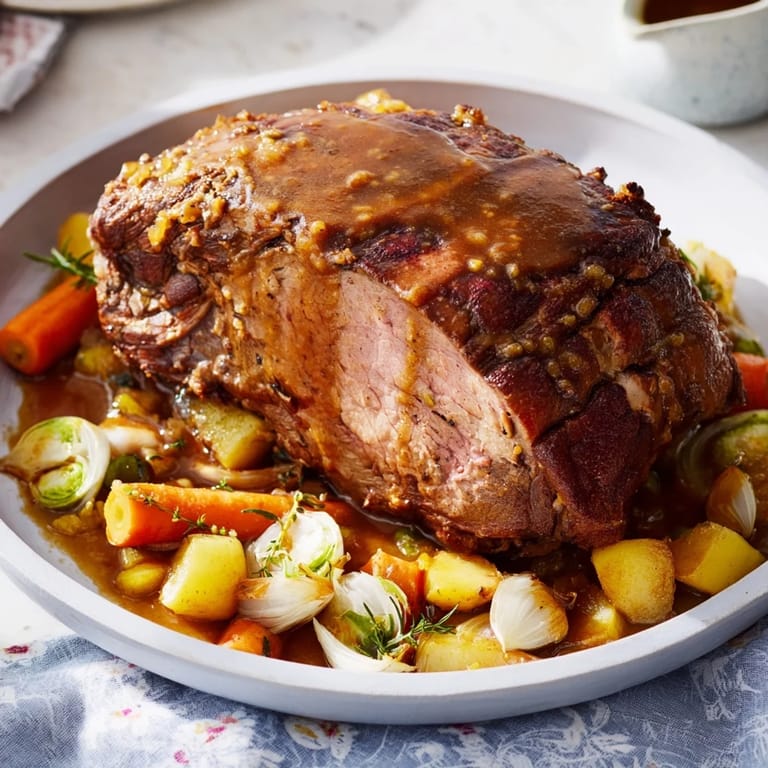 Save
Save The first time I served this, a friend who claimed she didn't like lamb changed her mind halfway through her first bite. She looked up, surprised, and said it tasted like a hug. I've never found a better description, and I've been chasing that reaction ever since.
What to Serve Alongside
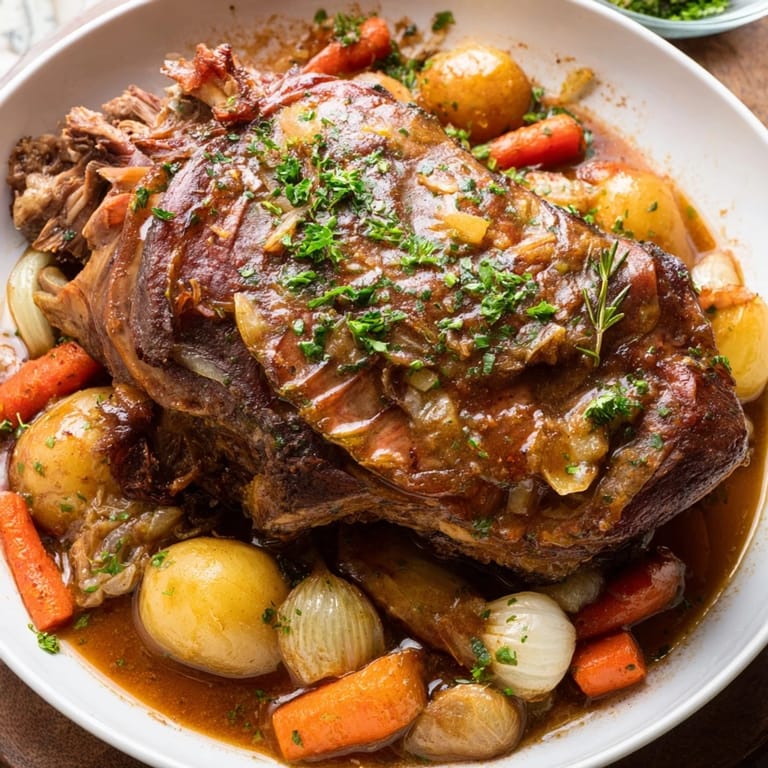
Creamy mashed potatoes are the classic move here, ready to soak up every drop of that wine-laced sauce. Polenta works just as well if you want something a little less expected, and a simple green salad with a sharp vinaigrette cuts through the richness perfectly.
Make It Your Own
A strip of orange zest added to the braising liquid brings a subtle brightness that plays beautifully with the rosemary. If you want a hint of sweetness and tang, a splash of balsamic vinegar stirred in at the end does wonders without stealing the show.
Storing and Reheating
This dish actually improves after a night in the fridge, as the flavors deepen and marry in ways that feel almost magical. Reheat gently on the stovetop or in a low oven, adding a splash of stock if the sauce has thickened too much.
- Store lamb and sauce together in an airtight container for up to 3 days.
- Reheat covered at 150°C (300°F) for about 20 minutes, or until warmed through.
- Freeze for up to 2 months, though the vegetables may soften further upon thawing.
 Save
Save There's something deeply satisfying about pulling tender, fragrant lamb from the oven and watching faces light up around the table. It's the kind of dish that turns a regular night into a memory worth keeping.
Questions & Answers
- → How long should lamb shanks be slow-roasted?
Lamb shanks require about 2.5 to 3 hours of slow roasting at low temperature to become tender and flavorful.
- → What herbs enhance the flavor of slow-roasted lamb shanks?
Fresh rosemary, thyme, and bay leaves complement the lamb's richness and add aromatic depth to the dish.
- → Can I prepare this dish ahead of time?
Yes, the flavors deepen when made a day ahead, making it a convenient option for gatherings.
- → Which side dishes pair well with slow-roasted lamb shanks?
Creamy mashed potatoes or polenta provide classic, comforting accompaniments to the rich, savory meat.
- → What cooking vessels are best for slow-roasting lamb shanks?
A Dutch oven or heavy ovenproof pot with a tight-fitting lid is ideal to maintain moisture during roasting.
- → How can I thicken the sauce after roasting?
Skim off excess fat, then simmer the sauce on the stovetop until it slightly reduces and thickens.