 Save
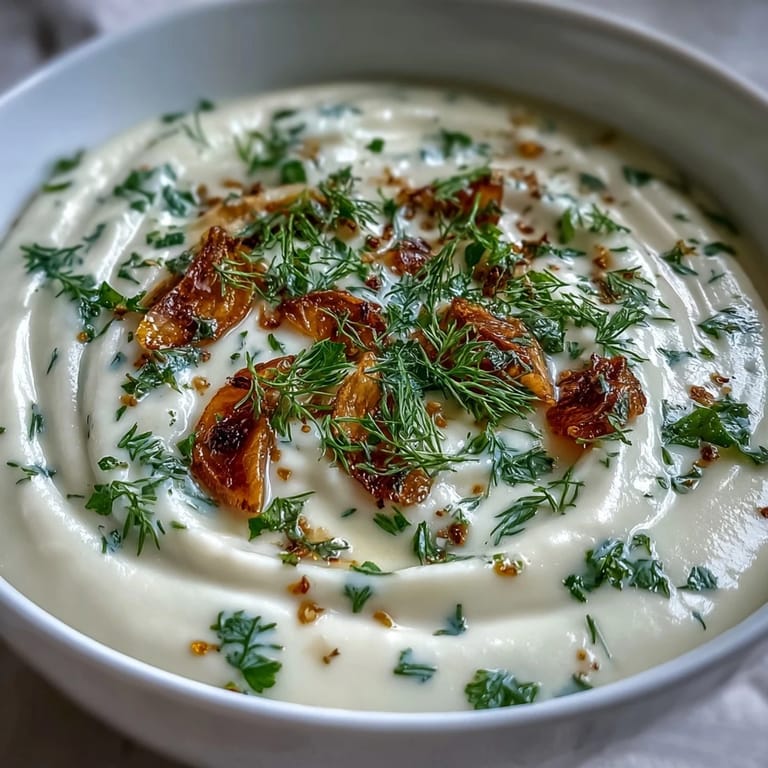
Save There's something about autumn that makes me crave parsnip soup, though honestly it was a happy accident that got me here. I'd roasted too many parsnips one Sunday evening while trying to use up the week's vegetables, and my partner suggested blending them into something warm and silky rather than eating them cold from the fridge. That first spoonful, crowned with fresh herbs and a whisper of cream, felt like discovering something I'd been missing all along.
I made this for my mum when she was recovering from a rough week, and watching her close her eyes after that first taste was all the thanks I needed. She asked for the recipe immediately, which honestly surprised me because she's usually a roast-and-potatoes kind of cook. Now it's become her comfort soup, and that small shift in how she approaches cooking has been lovely to witness.
Ingredients
- Parsnips (800 g, peeled and cut into 2 cm chunks): The star player here, naturally sweet when roasted and they blend into the silkiest base you've ever felt on your tongue.
- Onion (1 medium, diced): Builds the aromatic foundation, adding depth that keeps the soup from tasting one-dimensional.
- Garlic cloves (2, minced): A small amount is perfect because you want the parsnip to shine, not garlic to dominate.
- Potato (1 medium, peeled and diced): Acts as a natural thickener and adds subtle body without being noticeable as a distinct ingredient.
- Celery stalk (1, sliced): The unsung hero that adds a whisper of earthiness and helps round out the vegetable profile.
- Olive oil (2 tbsp): Split between roasting and sautéing, it's essential for building flavor layers.
- Vegetable stock (1 L): Quality matters here because it's going to be the liquid backbone of your soup, so choose one you'd actually drink on its own.
- Sea salt (1 tsp) and black pepper (½ tsp): Season gradually as you go, tasting as you blend because the flavors concentrate differently at the end.
- Double cream or crème fraîche (100 ml, optional): The luxury touch that makes it feel indulgent, though you can absolutely skip it and still have something delicious.
- Fresh herbs (parsley, chives, dill, tarragon): These are non-negotiable for me because they brighten everything and add that finishing flourish that makes people lean in closer to smell the bowl.
Tired of Takeout? 🥡
Get 10 meals you can make faster than delivery arrives. Seriously.
One email. No spam. Unsubscribe anytime.
Instructions
- Heat your oven:
- Set it to 200°C (400°F) and give it a few minutes to come to temperature while you prep the parsnips.
- Roast the parsnips:
- Toss your chunks with 1 tablespoon of olive oil and a pinch of salt, spread them on a baking tray in a single layer, and slide them into the oven. They should turn golden and caramelized at the edges after 25 to 30 minutes, turning them once halfway through so they brown evenly.
- Build your flavor base:
- While the parsnips are getting gorgeous, heat the remaining olive oil in a large saucepan over medium heat and add your diced onion, minced garlic, sliced celery, and diced potato. Let them soften gently for 5 to 7 minutes, stirring occasionally, until they're tender but still pale.
- Combine everything:
- Once the parsnips emerge from the oven, tip them into the pan with the softened vegetables and pour in the vegetable stock. Bring it all to a boil, then lower the heat and let it simmer gently for 10 to 15 minutes until every vegetable is completely soft and yields easily to a spoon.
- Blend until silky:
- Remove from the heat and grab your stick blender, working in the pan itself if you have the space, or carefully transferring batches to a countertop blender. Blend until you reach that perfect velvety consistency with no lumps.
- Add creaminess:
- Stir in the cream or crème fraîche if using, tasting as you go and adjusting the salt and pepper until it tastes exactly right to you.
- Finish and serve:
- Reheat gently if needed, ladle into bowls, and crown each one with a generous handful of fresh herbs, letting them wilt slightly from the heat.
 Save
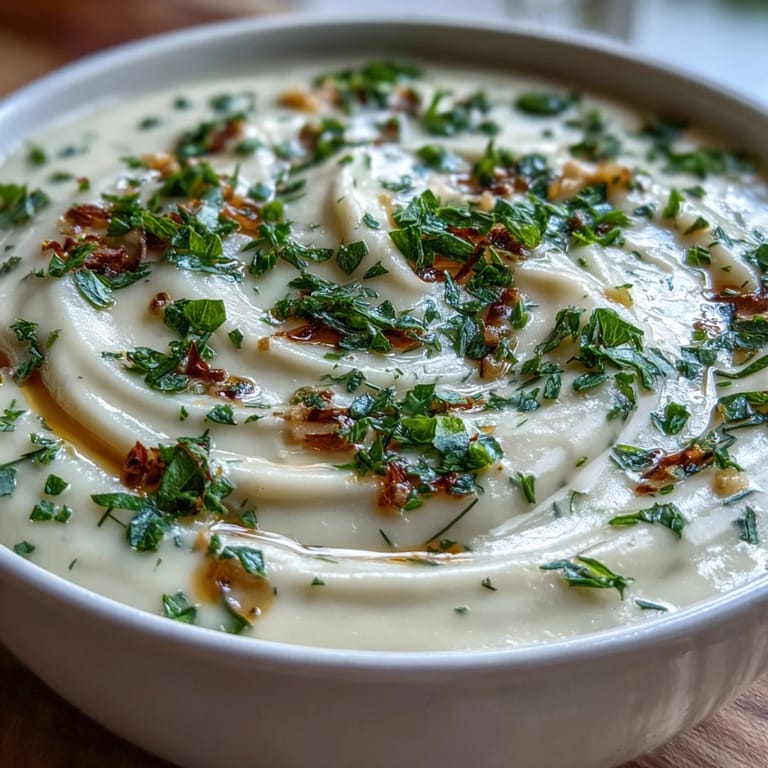
Save There's a moment when you first blend soup that feels almost magical, like you're transforming separate ingredients into something entirely new. My kids noticed it too, pointing out that it looked like clouds in a bowl, which somehow made them more willing to actually eat their vegetables that evening.
Why Roasting Makes All the Difference
I used to boil my parsnips until they were tender and then blend them, thinking the method didn't matter as long as they were soft. The moment I switched to roasting, everything changed because the dry heat caramelizes the natural sugars and creates this subtle sweetness that no amount of stirring or simmering can replicate. It's the difference between a soup that tastes fine and one that makes people pause mid-spoonful and ask what's different about it.
The Cream Debate
Whether you add cream or skip it entirely comes down to what you're in the mood for, and I've genuinely loved this soup both ways. The cream adds a luxurious mouthfeel and softens any slight earthiness, while leaving it out keeps the parsnip flavor front and center and makes it lighter to eat on warmer days. My suggestion is to taste it without the cream first, and then decide if your particular batch needs that extra richness.
Fresh Herbs as Your Secret Weapon
The herbs scattered on top aren't just decoration, they're actually the thing that makes people go back for another spoonful because they add brightness and lift. I've found that mixing different herbs keeps it interesting, though parsley and chives are the reliable pair that never disappoints. If you have fresh dill or tarragon on hand, they add a subtle sophistication that lingers on the palate.
- Chop your herbs just before serving so they stay vibrant and fragrant rather than wilting into the hot soup.
- A squeeze of fresh lemon juice stirred in at the very end adds a zing that makes the whole bowl come alive.
- Serve with crusty bread or a small handful of toasted seeds for texture and a reason to linger over the bowl.
 Save
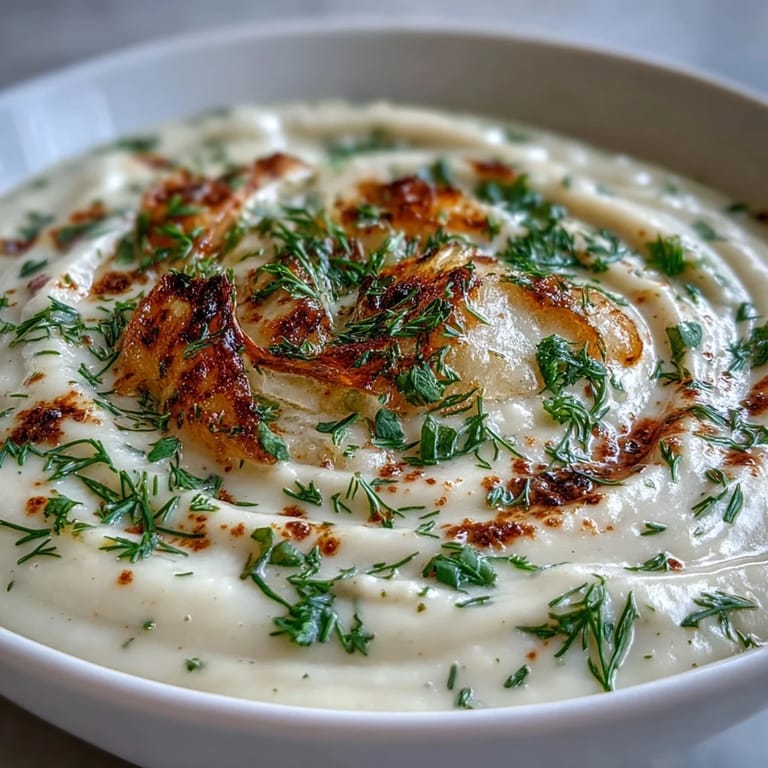
Save This soup has become my go-to for moments when I want to cook something that feels both nourishing and special without the fuss. It's the kind of recipe that makes you feel capable in the kitchen, which honestly might be the best part of all.
Questions & Answers
- → Can I make this dairy-free?
Yes, simply substitute the double cream or crème fraîche with plant-based alternatives like coconut cream, oat cream, or cashew cream for a completely vegan version.
- → What other herbs work well?
Beyond parsley, chives, dill, and tarragon, try fresh thyme, rosemary, or basil. Each brings a unique character that complements the sweet parsnip base.
- → Can I freeze this soup?
Absolutely. Cool completely before freezing in airtight containers for up to 3 months. Thaw overnight in the refrigerator and reheat gently, stirring occasionally.
- → Why roast the parsnips first?
Roasting caramelizes the natural sugars in parsnips, creating depth and sweetness that boiling alone cannot achieve. This extra step transforms the final flavor profile.
- → What can I serve alongside?
Crusty sourdough bread, seeded crackers, or toasted pumpkin seeds add wonderful texture. A light green salad with citrus dressing makes a complete meal.